
Building Immersive Worlds Using Plotlyn for Deep Dive Research & Worldbuilding
Discover how long-form writers can use Plotlyn's node-based canvas to conduct, organize, and integrate deep research for creating rich, immersive story worlds. This guide will cover strategies for mapping locations, character backstories, historical timelines, and cultural details, ensuring a cohesive and believable setting that enhances the narrative.
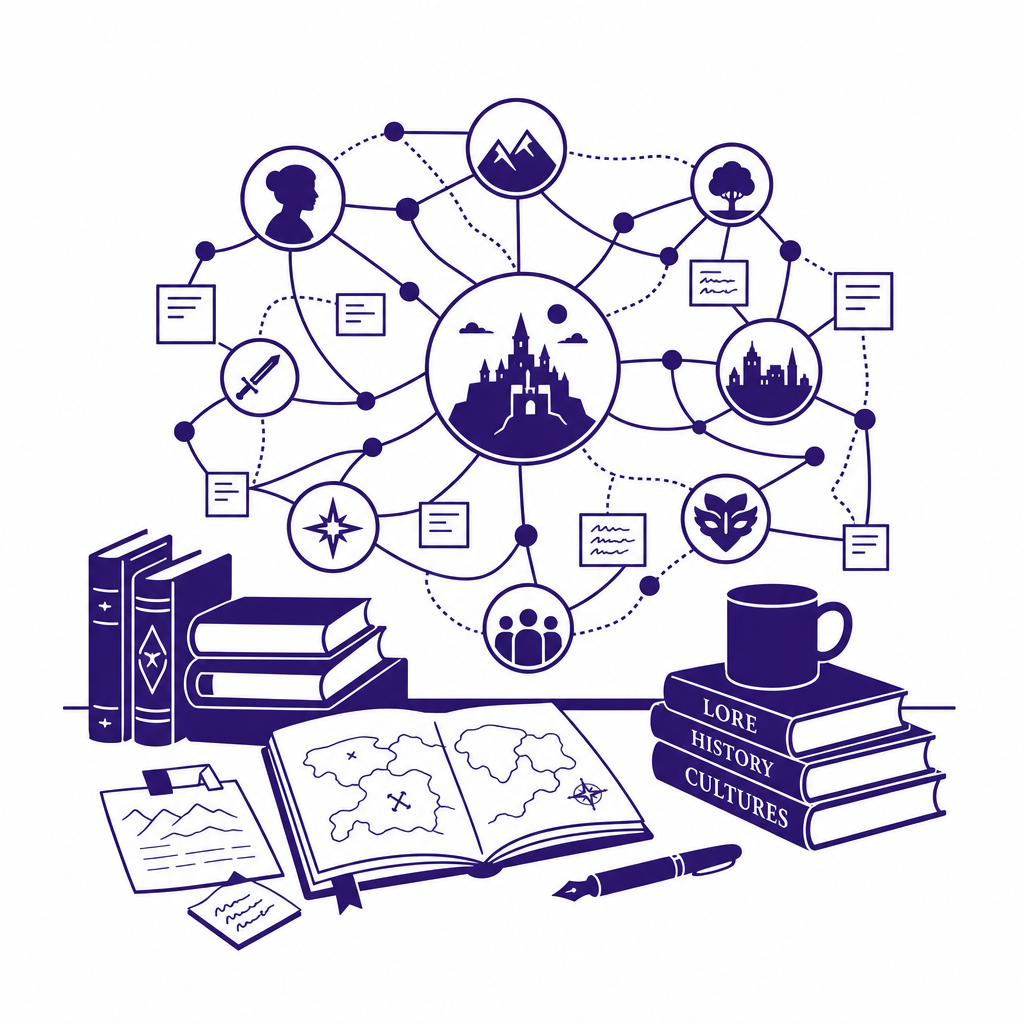
Worldbuilding is an essential aspect of storytelling, enabling writers to create engaging and immersive narratives. This article explores how Plotlyn's unique node-based canvas can enhance your research and organizational strategies, making it easier to develop a vivid and cohesive story setting. Discover the tools and methods that will elevate your fiction craft to new heights.
Understanding Worldbuilding Essentials
Worldbuilding is a cornerstone of the writing process, particularly for long-form narratives that seek to transport readers to new realms. It involves the meticulous crafting of a setting that feels alive and believable, engaging readers on a deeper level. Compelling worlds are multi-faceted, blending geography, culture, politics, and history into a cohesive tapestry.
Geography shapes the physical landscape of your story—mountains, rivers, and cities—each influencing character behavior and plot progression. Culture, including language, beliefs, and customs, infuses your world with richness and authenticity, giving distinctiveness to its inhabitants. Politics governs the power dynamics between characters, igniting conflict that drives the narrative forward. Lastly, history provides context, illuminating how past events have shaped the present and informing character motivations.
These elements do not exist in isolation; they interact intricately to create an immersive experience. A character’s journey through diverse terrains reflects not just their physical challenges but their cultural background and historical setting. By weaving these components skillfully, authors can craft worlds that resonate, capturing the imagination and fostering a deep emotional connection between the reader and the narrative fabric.
The Power of Plotlyn in Structuring Your World
Utilizing Plotlyn's node-based canvas can profoundly enhance an author’s worldbuilding and creative process. The structure of Plotlyn allows writers to visualize complex interactions between various world elements—characters, locations, and historical events—encouraging a deep understanding of how they interrelate. Each node acts as a focal point, enabling authors to break down multifaceted details into manageable, interconnected components that contribute to a cohesive narrative.
Through the canvas, writers can easily map relationships between characters and the locations they inhabit. They can create nodes for significant historical events and link them to characters impacted by those developments. This not only helps in maintaining consistency but also stimulates ideas for character motivations and conflicts.
Additionally, Plotlyn’s features facilitate the integration of cultural nuances into worldbuilding. Authors can attach relevant cultural details to their character nodes or locations, fostering a rich tapestry that enhances immersion. By structuring research visually, writers uncover connections that might have otherwise gone unnoticed, enriching the story with layers of meaning. Ultimately, Plotlyn empowers long-form writers to organize their insights in a way that transforms abstract ideas into vibrant, believable settings that resonate with readers.
Mapping Locations for Immersive Experiences
To create immersive experiences, mapping story locations within Plotlyn is a vital process that demands attention to detail and creativity. Begin by sketching out the major geographical features of your world—mountains, rivers, forests—and consider how they influence your narrative. Each geographical element should serve a purpose, shaping character actions and plot progression.
Using Plotlyn's node-based canvas, create separate nodes for various locations. Integrate descriptions of these spaces, noting key characteristics such as climate, resources, and accessibility. This attention to detail adds depth, making settings not just backdrops but active components of the unfolding story. For example, a character's journey might be impeded by a treacherous mountain pass, emphasizing tension while prompting strategic decisions.
Layering cultural details is equally crucial. Map out how these locations serve diverse communities, how geography influences their traditions, and the implications for character interactions. The result is a nuanced tapestry where environments resonate with the plot, enhancing immersion.
As you develop these locations, reflect on how geography can evoke specific emotions or drive character arcs, ensuring that each setting enriches your narrative world.
Developing Rich Character Backstories
Character backstories are the lifeblood of immersive worlds. They inform motivations, influence relationships, and provide context for choices, making characters multidimensional rather than mere plot devices. In the context of worldbuilding, a well-crafted backstory can reveal how a character interacts with the geographical and cultural landscapes established in your story, offering deeper connection points for readers.
Integrating character histories into the Plotlyn canvas enhances this process significantly. Start by creating individual nodes for each character's backstory, linking them to relevant locations and cultural elements you've previously mapped. This visual organization allows you to see at a glance how your characters relate to the world and each other.
Utilize Plotlyn’s tagging system to connect character backstories with key themes of your narrative, making it easier to weave character arcs into the overarching plot. Consider using color coding to signify character journeys—for example, one color for growth, another for conflict.
Additionally, incorporate character motivations as sub-nodes, ensuring they resonate with the established cultural details and historical context. By anchoring your characters in a coherent world, their stories will naturally interlace with the setting's conflicting tides and currents, fueling an immersive experience that captivates readers from the very first page.
Creating Historical Timelines and Cultural Details
Creating historical timelines is an essential strategy for building immersive worlds that resonate deeply with your readers. Using Plotlyn, writers can effectively document significant events that shape their fictional landscapes, ensuring that historical context reinforces the narrative. Start by identifying key moments that have influenced your world's culture, politics, and societal structures. It's essential to not only list these events chronologically but also to explore their causes and consequences.
To visualize this in Plotlyn, create a node for each major event, linking them to relevant characters or cultural developments. This interconnected approach allows you to see the ripple effects of historical incidences on different aspects of the story, enhancing depth and realism.
When incorporating cultural details, focus on how these historical events shape cultural practices, beliefs, and social norms. Use Plotlyn's features to create branches dedicated to customs, rituals, and evolving ideologies, ensuring that each cultural nuance is rooted in the timeline. By establishing a rich historical framework, writers provide readers with a vivid sense of place that feels alive, fostering deeper immersion and engagement with the narrative.
Integrating Research into the Narrative Flow
As you embark on the journey of integrating research into your narrative flow, it’s vital to ensure that the rich details you've gathered enhance rather than overwhelm your story. Using Plotlyn's node-based canvas, you can seamlessly weave researched elements into your narrative, fostering immersion without compromising pacing or engagement.
Start by establishing clear connections between your narrative arcs and researched details. Create nodes for key events, character traits, and cultural insights. Organize these nodes to reflect their relevance within specific scenes or character interactions, ensuring that each piece of research supports the emotional or thematic beats of your story.
Plotlyn's visual interface allows you to see these relationships at a glance. Group related research together, using color-coding to signify urgency or importance. This strategy helps you decide what to highlight in your narrative—only the most compelling details should make the final cut.
To maintain narrative flow, consider presenting research through character perspectives. This not only provides context but also keeps the reader engaged as they experience the world through well-rounded viewpoints. By skillfully integrating your research in this manner, you create a vibrant, immersive story world that feels authentic without becoming bogged down in exposition.
Conclusions
In summary, Plotlyn offers a powerful platform for writers aiming to build immersive worlds through meticulous research and organization. By effectively mapping locations, character arcs, and cultural details, you can create a believable narrative landscape that resonates with readers. Embrace these strategies to enhance your creative process and ultimately craft a compelling and immersive story.