
Confronting Your Writing Fears: Using Plotlyn to Restore Boldness to Your Manuscript
Explore how common authorial fears (e.g., fear of judgment, fear of making a character unlikable, fear of controversial topics) can lead to self-censorship and weaker manuscripts. Learn how Plotlyn's structured environment and objective overview can help authors identify 'fear edits,' restore courage to their narratives, and ensure their most impactful story elements remain intact during revision.
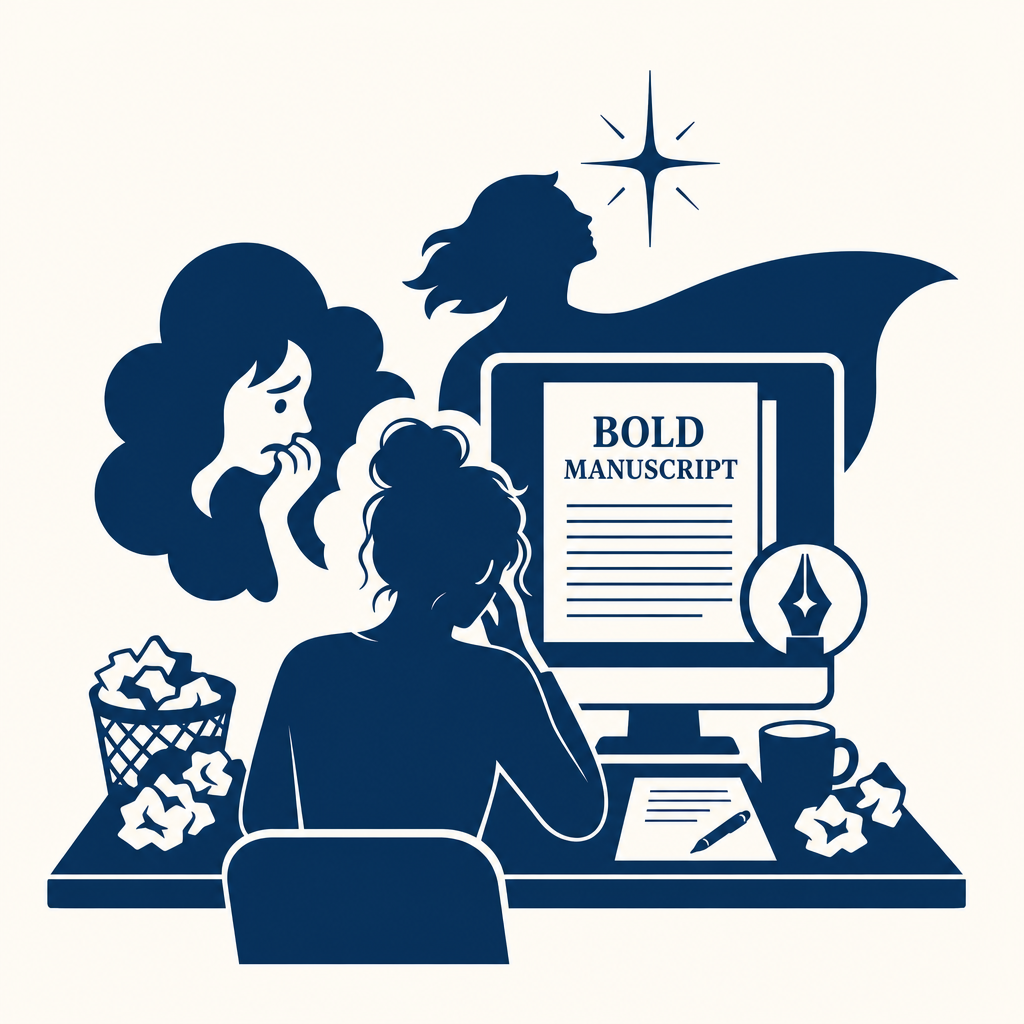
Writing a manuscript can evoke deep-seated fears, from concerns about judgment to the anxiety of controversial themes. These fears can lead to self-censorship, diluting the manuscript's impact. In this article, we explore the nature of these fears and how Plotlyn's innovative writing tools assist authors in navigating them, enabling bold storytelling and authentic narrative integrity.
Understanding Authorial Fears
Fear is an insidious companion for many writers, lurking in the shadows of creativity. The fear of judgment—both from readers and critics—can stifle an author’s voice, leading them to second-guess every word choice and narrative decision. When writers worry too much about how their characters might be perceived or how their themes might provoke controversy, they often retreat into a safer, more conservative form of storytelling. The result isn’t just self-doubt; it’s a diluted manuscript that fails to resonate.
Common fears manifest vividly in writing. For instance, the fear of making a character unlikable can lead to bland, one-dimensional personalities that fail to engage readers emotionally. Similarly, apprehensions about addressing controversial topics can cause authors to skirt around important issues, sacrificing depth and authenticity for comfort. These fears generate 'fear edits,' where bold ideas are replaced by safer alternatives, ultimately weakening the narrative.
This anxiety not only risks losing the unique flair of a writer's voice but also compromises the manuscript’s impact. Addressing these concerns with a tool like Plotlyn, which offers a structured environment for revision, can help authors confront their fears and reclaim their narrative boldness. By highlighting 'fear edits' and identifying areas where courage is lacking, writers can ensure their most powerful story elements remain intact.
Self-Censorship: The Silent Killer of Creativity
Self-censorship in writing is a pervasive concern that often develops from the authorial fears discussed previously. When writers second-guess their choices and shy away from provocative themes or complex character arcs, they inadvertently compromise their creativity. This act of self-editing, rooted in anxiety about judgment, creates psychological barriers that stifle boldness.
The implications of self-censorship are profound. When an author decides against depicting a character as unlikable or avoiding controversial topics, they not only dilute their narrative but also sabotage the authenticity of their manuscript. This avoidance can manifest as overly safe plotlines, predictable dialogues, and sanitized character representations—all of which undermine the overall integrity of the story.
As authors tiptoe around difficult subjects, they miss the opportunity to challenge readers and spark meaningful conversations. The choices made under the cloak of self-censorship can lead to superficial narratives that lack depth. To combat this tendency, writers must confront their fears head-on, embracing the messiness of true storytelling. The courage to explore darker themes or unlikable characters can lead to the creation of more impactful, relatable manuscripts that resonate with readers on a deeper level.
The Role of Plotlyn in Identifying Fears
Using Plotlyn can be a transformative experience for authors seeking to confront their fears and revive the boldness in their manuscripts. This innovative tool allows writers to visually map out their stories, providing clarity in narrative structure while unveiling hidden anxieties that may distort their creative expression.
Plotlyn's interface encourages authors to identify 'fear edits' by highlighting sections of their manuscripts influenced by self-censorship. For instance, you can color-code passages that evoke anxiety about character unlikability or controversial themes. This visual representation makes it easier to recognize patterns in your writing, allowing you to confront the fears that restrict your storytelling.
One of Plotlyn's standout features is its ability to offer an objective overview of your narrative arc. By organizing character journeys, plot developments, and thematic elements in a structured format, you can assess how fear-driven edits thin out your work's overall impact. Instead of merely revising to appease concerns, you can use Plotlyn to embrace the bold choices that give your story integrity and resonance. It fosters a space where courage flourishes, encouraging you to reclaim the rich, authentic voice that instills power in your narratives.
Restoring Boldness in Your Narrative
Regaining boldness in your narrative is essential for breathing life into your manuscript. Often, fear can stifle creativity, leading to self-censorship that diminishes the power of your storytelling. To combat this, it’s crucial to confront the source of your fears directly. Using Plotlyn, writers can explore uncharted territories in character development and plot twists through a structured exercise approach.
Begin by mapping out risky character arcs in Plotlyn. Identify elements that make you uneasy—perhaps a character whose flaws might make them unlikable. Rather than shying away, delve into these characters' complexities, harnessing their imperfections as the backbone of authentic narratives.
Next, challenge yourself with thematic elements that defy norms. Create a separate branch in Plotlyn for controversial topics. Experiment with how these ideas influence the narrative and impact the reader.
Finally, embrace vulnerability as a strength, and allow your characters and plot to take bold twists. With each exploration tracked visually in Plotlyn, you will find the courage to keep authentic story elements intact, ensuring that your narrative resonates with honesty and integrity.
Maintaining Story Integrity During Revision
Maintaining story integrity during revision is critical for preserving the essence of your narrative, especially when fear threatens to dilute your bold storytelling. Authors often encounter self-censorship, refraining from making characters flawed or avoiding controversial topics due to the fear of judgment. This can lead to manuscripts that feel safe but lack emotional depth or resonance.
To avoid this pitfall, it's essential to assess your edits through the lens of story integrity—ensuring that the core message and character arcs remain intact while still refining the text. Bold elements should not be sacrificed for the sake of pleasing readers or critics. Instead, they can be preserved by approaching revisions with intention, examining each change to see if it enhances the narrative without compromising its heart.
Plotlyn plays a significant role in this process, providing a structured environment where authors can visually track changes. This feature allows you to revisit key narrative choices, like pivotal character moments or significant plot developments, providing the clarity needed to ensure that cuts or alterations support rather than suppress the story's boldness. By leveraging Plotlyn’s tools, you can maintain a courageous approach to your manuscript, curating a revision process that strengthens rather than diminishes your narrative vision.
Embracing Courage: The Path Forward
Embracing courage in writing is not just a pivotal moment; it’s a transformative journey. When authors confront their fears—fear of judgment, fear of creating unlikable characters, or fear of diving into controversial topics—they often find themselves stifled by self-censorship. This fear can dilute the passion and authenticity within a manuscript, leading to a bland narrative that fails to resonate with readers.
By utilizing Plotlyn, writers gain a unique opportunity to confront these fears head-on. The structured environment it provides encourages authors to identify and evaluate their 'fear edits.' Rather than succumbing to the urge to sanitize their story for comfort, Plotlyn empowers authors to examine where courage can amplify their narrative. They can assess characters' complexities and ensure that the bold elements that define their story remain vibrant during revision.
Over time, embracing this courageous approach fosters stronger manuscripts, enriched with authenticity and depth. The creative process becomes not just an act of storytelling but an exploration of one’s voice. Writers who navigate their fears, with Plotlyn supporting their journey, emerge with narratives that reflect their true vision, ready to leave an indelible mark on their readers.
Conclusions
Facing writing fears is crucial for creating impactful stories. By utilizing Plotlyn, authors can confront self-censorship and restore the courage necessary for honest narratives. This process not only strengthens the manuscript but also empowers writers to embrace their authentic voice, ensuring that their stories resonate deeply with readers. Boldness in writing fosters connection, making every word count.