
Crafting Complex Morally Gray Characters - Mapping Internal Conflict and Arc with Plotlyn
Explore how to develop compelling morally gray characters that resonate with readers, using Plotlyn's node-based system to map their complex motivations, internal conflicts, and evolving ethical landscapes across your narrative.
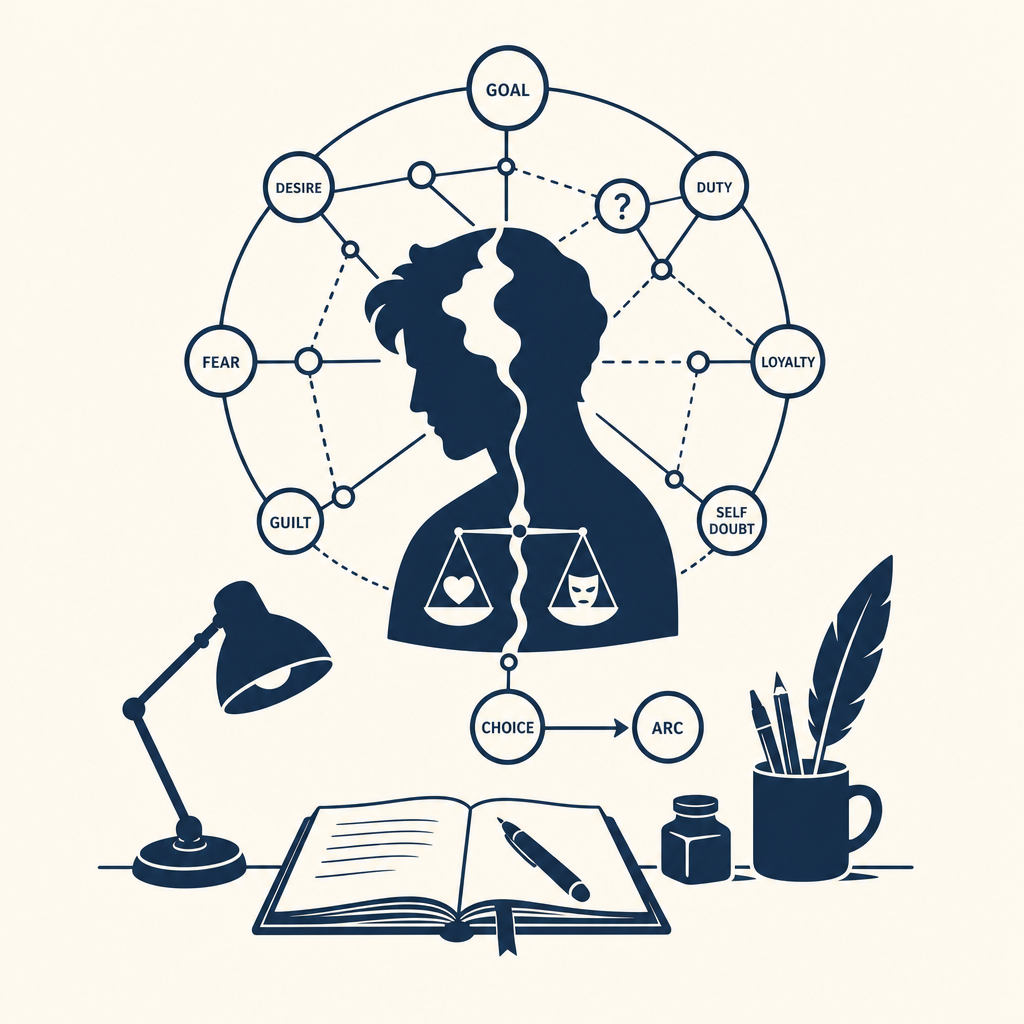
In storytelling, morally gray characters captivate audiences with their complexity and relatability. Understanding how to weave their internal conflicts and arcs is essential for engaging narratives. This article explores how to effectively craft such characters using Plotlyn's intuitive node-based system to create structured and meaningful stories.
Understanding Morally Gray Characters
Morally gray characters occupy a fascinating space in literature, allowing readers to explore the complexity of human behavior. These characters are neither wholly good nor entirely evil; instead, they embody a blend of virtues and vices that create a rich tapestry of internal conflict. In our modern narratives, such characters reflect the convoluted nature of morality in real life, where decisions are seldom black and white.
Their significance in storytelling lies in their ability to challenge conventional moral boundaries, prompting readers to question their own beliefs and values. Characters like Walter White from Breaking Bad or Anti-Heroes such as Tony Soprano engage audiences on a deeper emotional level, illustrating that even flawed individuals can demonstrate redeemable qualities.
The appeal of morally gray characters stems from their authenticity; readers can see elements of themselves within these complex figures. This connection fosters emotional investment, making the characters’ journeys not just engaging but relatable. Their struggles resonate across various narratives, serving as a mirror to our inherent contradictions and the difficult decisions we all face in navigating right and wrong. Through such characters, literature becomes a profound exploration of the human condition.
The Anatomy of Internal Conflict
Internal conflict serves as a compelling engine driving morally gray characters, imbuing their journeys with both tension and depth. These characters often grapple with ethical dilemmas that challenge their core beliefs. For instance, a protagonist may confront a situation where adhering to their moral compass means sacrificing a loved one, leading to profound stress and introspection.
Guilt is another vital internal struggle. Characters may be haunted by past decisions, which complicate their motivations and spur them towards redemption or further decline. Consider a character who must weigh the cost of revenge against the potential for forgiveness; this conflict creates rich narrative layers.
Desire complicates moral landscapes, too. A character's longing for power, love, or acceptance may push them to make choices that clash with their ethical standards, leading to internal crises.
To portray these conflicts effectively, authors can use Plotlyn's node-based system to chart the multifaceted nature of these internal dilemmas. By visually mapping the intersections of conflicting desires, ethical struggles, and resultant actions, writers can ensure these internal conflicts resonate, making the character’s arc both relatable and credible. Such explorations of the human condition can leave a lasting impact, drawing readers deeper into the story’s moral complexities.
Mapping Character Arcs
Character arcs are crucial in developing morally gray characters, as they illustrate the transformation of an individual over time, shaped by internal conflicts and external pressures. Using Plotlyn's node-based system allows authors to visualize these arcs, making it easier to map the evolution of characters' ethical beliefs throughout the narrative.
To begin, identify your character’s starting point—what ethical stance do they hold at the beginning? Plotlyn’s nodes can help you map out key moments that challenge their worldview, such as pivotal decisions or interactions with other characters. These nodes can represent emotional responses, ethical dilemmas, and moments of clarity or confusion, creating a visual progression of internal conflict.
As the story unfolds, continuously update the nodes to reflect changes in the character's beliefs and motivations. This approach not only strengthens their arc but also reinforces the moral ambiguity that makes them relatable. Readers will feel immersed in the character's journey as they witness the nuanced shifts in their ethics, making the resolution of their internal conflicts more impactful. The visual representation serves as a roadmap for both the writer and the reader, deepening empathy for these complex characters.
Motivations and Backstory
To create morally gray characters that resonate deeply with readers, understanding their motivations and backstory is essential. These elements serve as the bedrock for their actions and choices, anchoring their complexities in relatable truths. When building your character, delve into their history—what shaped their beliefs and desires? A well-crafted backstory not only explains a character's current state but also hints at their potential for change as they navigate internal conflicts throughout the plot.
Using Plotlyn's node-based system, you can visually map these motivations alongside key events in the character's history. This allows you to interweave their past experiences with contemporary dilemmas, ensuring that choices resonate throughout the narrative. Consider the moments that forged their moral beliefs, the traumas they carry, or the values ingrained in them. By integrating these backstory elements with their present struggles, you create a rich tapestry of conflict that feels genuine and relatable.
As readers journey with these characters, their struggles and rationalizations become opportunities for empathy. When characters are grounded in a believable history, their morally gray choices prompt deeper reflections on ethics and morality, encouraging readers to empathize and engage with their complex journeys.
Ethical Landscapes and Reader Resonance
Morally gray characters navigate ethical landscapes that challenge not only their own beliefs but also the readers' perceptions of right and wrong. These characters often grapple with dilemmas that reflect realistic, murky situations—where the choices available are not clearly labeled as just or unjust. To cultivate reader resonance, writers can frame these dilemmas around universal themes such as loyalty, betrayal, and sacrifice.
For instance, consider a character forced to choose between saving a loved one or the greater good. This internal conflict can evoke empathy, as readers may see fragments of their own lives in the character’s struggle. Techniques to provoke thought include illustrating the emotional fallout of decisions and providing relatable reasoning behind morally questionable actions.
Using Plotlyn's node-based system, writers can meticulously map out the consequences of each choice, demonstrating how characters oscillate between ideals and pragmatic solutions. By highlighting the ethical grayness inherent in their journey, authors invite readers to reflect upon their own moral compasses, deepening engagement through shared human experience while enriching the narrative's complexity.
Bringing It All Together in Plotlyn
Bringing It All Together in Plotlyn: As we transition into synthesizing our insights, it’s crucial to emphasize how Plotlyn can serve as the backbone for crafting morally gray characters. The node-based system within Plotlyn allows authors to visualize their characters’ multifaceted motivations and internal conflicts, ensuring that every nuance is mapped in relation to the broader narrative.
For effective character development, begin by placing your morally gray characters at the center of your narrative’s ethical dilemmas. Use Plotlyn to outline their internal conflicts, showcasing how those conflicts evolve throughout the storyline. Consider creating nodes for each pivotal moment where a character's moral compass might waver.
The journey of a character’s arc is not linear. Track their decisions and consequences within Plotlyn's structure, adapting to new revelations and challenges as the plot unfolds. This approach not only enriches character depth but also maintains narrative tension.
Finally, keep in mind that engaging morally gray characters requires a delicate balance—root them in relatable motivations while allowing their flaws to shine. Embrace the complexity of their ethical landscapes and utilize Plotlyn to seamlessly weave these elements into a resonant and impactful narrative that lingers with readers long after the final page.
Conclusions
Creating morally gray characters enhances narrative depth and reader engagement. By mapping internal conflicts and character arcs through Plotlyn, authors can design compelling journeys that resonate with audiences. Embrace the complexities of human nature to enrich your storytelling and bring your characters to life in a meaningful way.