Mapping the Human Heart: Crafting Characters Defined by Deep Longings and Fears with Plotlyn
Go beyond surface-level traits to build characters that resonate. This guide explores how to use Plotlyn's node-based system to map your characters' core longings, hidden fears, and subconscious motivations, creating authentic, relatable individuals whose inner worlds drive your story and captivate readers. Learn to chart internal conflicts, explore their origins, and ensure consistent character behavior throughout your manuscript.
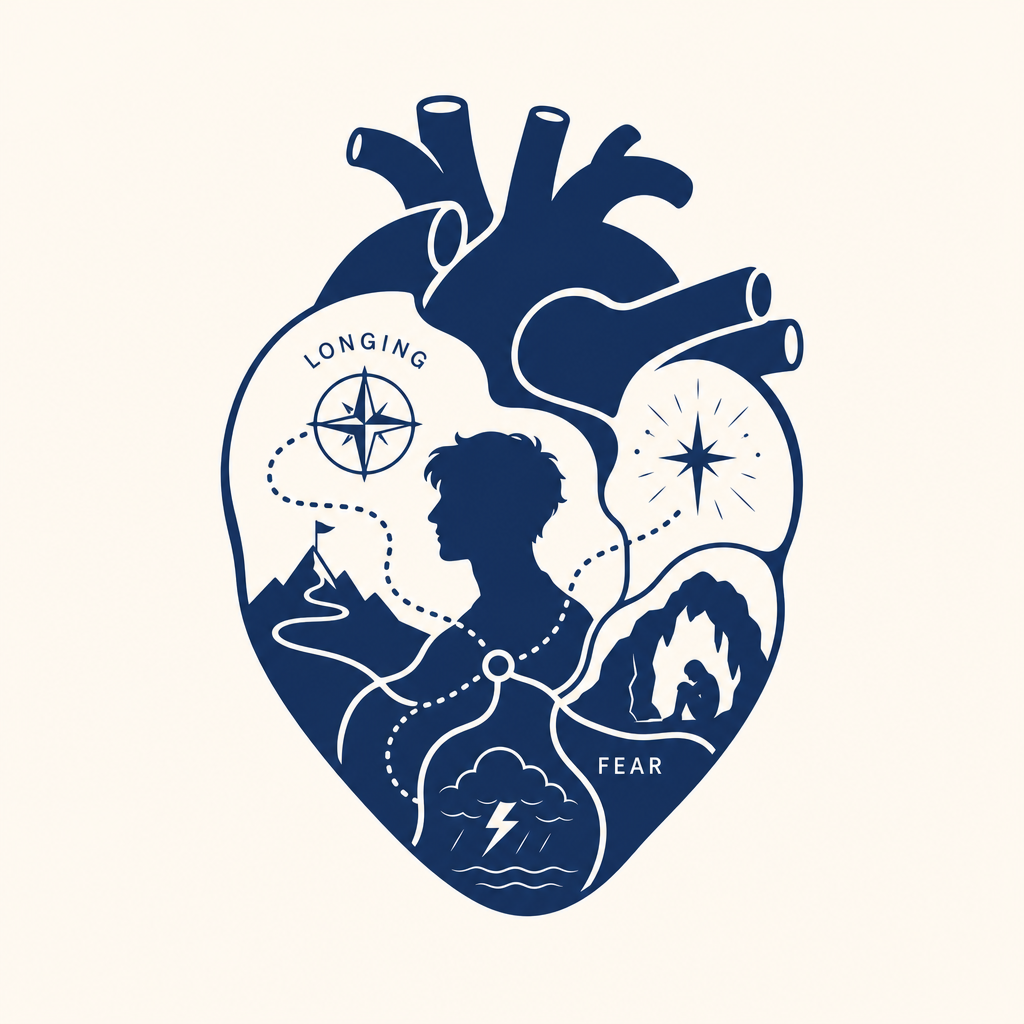
Character development is an essential aspect of storytelling, where depth and authenticity can elevate narrative impact. This article delves into how to effectively leverage Plotlyn's unique node-based system, allowing writers to intricately map characters’ internal conflicts, motivations, and emotional landscapes, thus creating compelling, relatable figures that resonate with readers.
Understanding Character Complexity
Understanding character complexity requires delving into the layers that define their identities, particularly through the lens of psychological realism. Characters should resonate as believable individuals shaped by their experiences, desires, and fears. The fundamental traits that build a character’s identity stem from their core longings and hidden fears, acting as driving forces behind their decisions and actions.
Using Plotlyn's node-based system, writers can visually map these intricacies, making connections not just between traits but also revealing how internal conflicts arise. For example, consider Holden Caulfield from J.D. Salinger’s "The Catcher in the Rye." His longing for connection and fear of vulnerability are intricately tied; they clash as he seeks companionship yet pushes people away. This duality adds richness to his character, inviting empathy from readers.
Another example is Elizabeth Bennet from "Pride and Prejudice." Her intelligence and wit mask a fear of societal confinement. Understanding these aspects helps writers create characters whose motivations feel authentic. By charting these emotional landscapes in Plotlyn, creators ensure that their characters' behaviors remain consistent and engaging throughout the narrative, leading to a more immersive reading experience.
Unraveling Core Longings
To identify a character's core longings, one must delve beneath surface-level traits and explore their foundational desires. Using Plotlyn, you can visually chart these longings and link them intricately with character backstories and arcs. A core longing often emerges from a character's past experiences – a yearning for love, acceptance, or freedom can shape their motivations and actions.
Consider the case study of Elizabeth Bennet from "Pride and Prejudice." Her longing for autonomy and genuine connection drives her to navigate a world of social expectations and prejudices. By mapping her desire for independence through Plotlyn, you can visualize how this longing influences her choices, such as defying societal norms to seek personal happiness.
Utilizing Plotlyn's node-based system, connect these longings directly to pivotal moments in your narrative, demonstrating how they inform character behavior. Keep track of how these desires evolve, shaping the characters over time. This method brings authenticity and complexity to your characters, ensuring their inner worlds resonate deeply, leading readers to engage with their struggles and triumphs throughout your story.
Identifying Hidden Fears
As we delve into the intricacies of character development, it's crucial to explore the hidden fears that often lie beneath the surface of a character's longings. These fears can act as significant catalysts for internal conflict, creating a rich tapestry of emotional tension that drives your narrative forward. While a character may yearn for love or acceptance, their fear of vulnerability or rejection can shape their choices and actions, leading to conflict that engages readers deeply.
Using Plotlyn’s node-based system, you can make these fears tangible by visually placing them on your node canvas. Connect each character's longing with their corresponding fear, crafting a complex relationship that showcases their struggle. For instance, if a character longs for connection yet fears betrayal, this dynamic can lead to behaviors that alienate them from others, enriching their journey.
Examining the ramifications of these fears is essential in your characters’ growth. As they navigate their internal conflicts, they may confront these fears, offering opportunities for profound character evolution. By mapping out these elements with Plotlyn, you provide clarity in their arcs, ensuring that the interplay of longings and fears contributes meaningfully to their development, thus enhancing the psychological realism of your story.
Charting Internal Conflicts
Internal conflict is the crucible of character development, forging depth and authenticity as characters wrestle with their desires, fears, and identities. In narrative-driven storytelling, these conflicts propel the plot, engaging readers by laying bare the complexities of human emotion. Using Plotlyn's node-based system, writers can effectively map these internal struggles, uncovering how a character's longings and fears intersect.
To explore internal conflict through Plotlyn, start by creating nodes for each character's central desires—such as love, power, or acceptance—coupled with their corresponding fears like rejection, betrayal, or failure. Visualize how these elements interact: a character yearning for love may fear intimacy due to past hurts, resulting in a tension-filled struggle.
Take, for example, a character whose longing for self-acceptance clashes with an ingrained fear of judgment. As they confront this internal conflict, their journey becomes a compelling arc of growth. Using Plotlyn, you can chart this evolution, noting pivotal moments where decisions influence their struggle, creating a vivid tapestry of psychological realism.
Resolving internal conflicts allows for transformative character arcs, reinforcing that the heart of storytelling lies in the intricate dance between longings, fears, and the choices that illuminate the human experience.
Designing Consistent Character Behavior
A deep understanding of your characters' longings and fears is paramount for crafting consistent and believable behavior. When you map out these core aspects using Plotlyn, the interconnectedness of your characters’ motivations becomes clearer, leading to actions that are not just plausible, but also resonate profoundly with readers.
By utilizing Plotlyn’s node-based system, you can establish clear relationships among a character’s desires, fears, and the internal conflicts that arise. Each time a character faces a choice, their motivations—rooted in their longing and fear—should guide their decision-making. This ensures that their behavior is coherent and reflects their psychological makeup. To maintain this consistency, consider the following actionable tips:
- Character Journals: Maintain detailed notes of characters' longings and fears. This can serve as a quick reference to reinforce their consistent behavior.
- Node Connections: Use Plotlyn to visually link motivations with behavioral patterns. This allows for easy tracking of character evolution throughout the narrative.
- Behavioral Triggers: Identify specific scenarios that would trigger characters’ fears or longings, ensuring that their reactions remain true to their established personalities.
Ultimately, understanding these psychological intricacies ensures that your characters behave organically, fully engaging your readers in their journeys.
Bringing It All Together
To create a cohesive character narrative, it’s crucial to thoughtfully integrate the mapped elements of longings, fears, and internal conflicts into your story arc. Begin by ensuring that each character’s core desires and anxieties inform their choices and behaviors throughout the plot. This not only enhances character depth but also fosters a connection with readers who can empathize with these relatable struggles.
Utilize Plotlyn’s node-based system to revisit and refine your characters as your narrative develops. Regularly check in on the interconnections between longings and fears to ensure they remain aligned with the character's evolving experiences. When a character faces a pivotal moment, ask how their internal conflicts influence their decisions. For instance, if a character’s longing is for acceptance but they fear rejection, how does that tension push them towards riskier choices?
Finally, embrace the process of revision. As your story unfolds, characters should grow in response to their challenges, which requires attention to psychological realism. By revisiting character nodes, you can fine-tune their arcs, ensuring that their actions resonate authentically with their underlying motivations and that the narrative remains engaging and believable. This iterative approach will elevate your character development, providing readers with a deeply immersive experience.
Conclusions
In crafting characters defined by their deep longings and fears, writers can foster a mesmerizing connection with readers. By utilizing Plotlyn’s node-based system, authors can ensure their characters are rich, complex, and consistent, weaving a narrative that resonates and captivates. Embrace these tools to refine your characters as you bring your story to life.