
Mapping the Visual Narrative: How Plotlyn Helps Integrate Imagery & Descriptions into Your Novel
Plotlyn's canvas isn't just for plot points—it's a powerful tool for visual storytelling. This article will show authors how to use Plotlyn's nodes and nested canvases to plan, place, and integrate impactful imagery, rich descriptions, and even actual illustrations into their manuscripts. Discover workflows for transforming visual inspiration into vivid narrative and ensuring every image, implied or explicit, serves your story's immersive power.
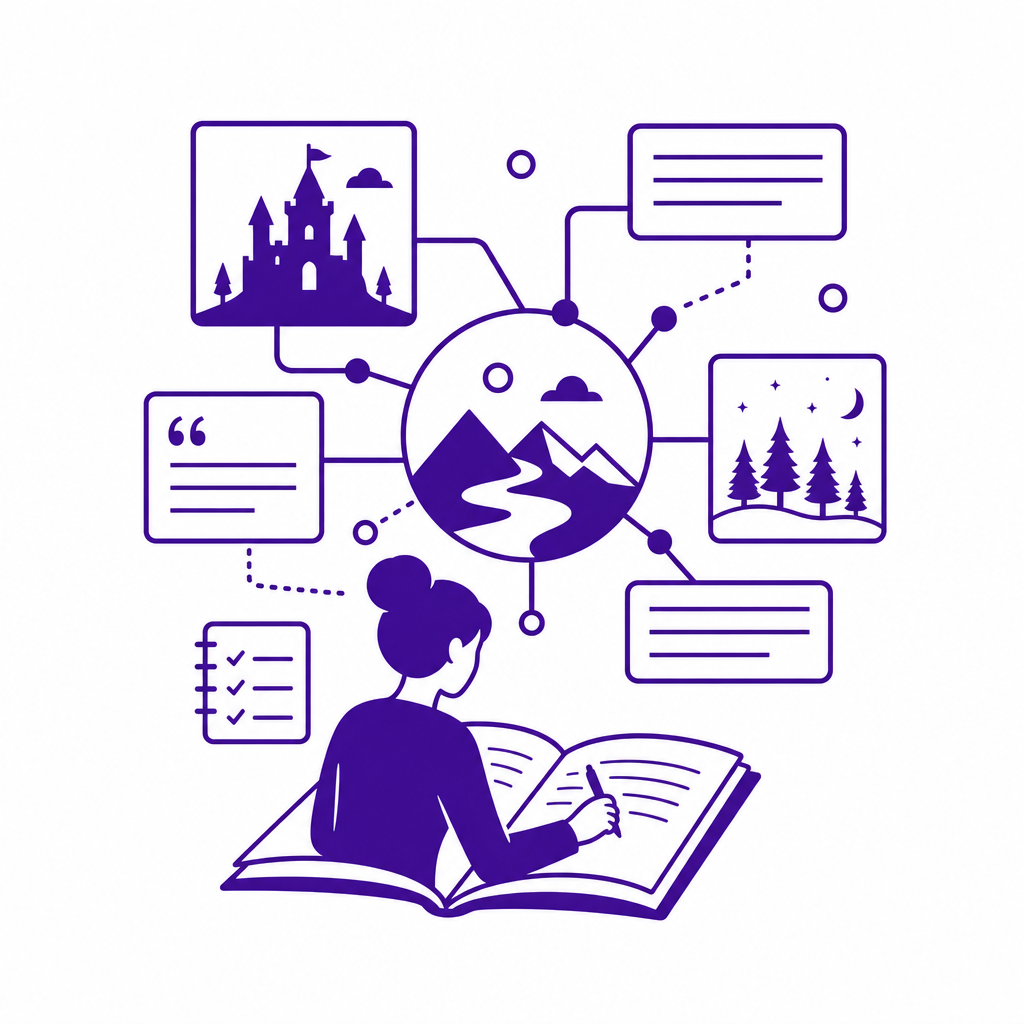
Visual storytelling is a powerful tool for writers, enhancing the emotional impact and engagement of their narratives. In this article, we will explore how Plotlyn assists authors in merging imagery and description into their writing, paving the way for immersive, memorable experiences that resonate with readers. Discover how visual elements can transform your narrative planning and execution.
Understanding Visual Storytelling
Visual storytelling is a multifaceted approach that transcends mere words, engaging readers on sensory and emotional levels. It involves not just the depiction of events but the crafting of an atmosphere that invites immersion. When utilized effectively, imagery and rich descriptions serve as portals into a narrative world, allowing readers to visualize settings, empathize with characters, and experience emotions intimately. Classic literature, such as the vivid landscapes in Tolkien's Middle-earth or the detailed settings in García Márquez's work, exemplifies how visual storytelling can elicit powerful emotional responses. Films further bring this concept to life, employing visual techniques to convey mood, theme, and character schemas.
The psychological effect of imagery on readers cannot be underestimated. When descriptions evoke vivid mental images, they engage the imagination, helping to solidify connections with characters and their journeys. A reader who can visualize a character’s struggle with a stormy sea not only sees the conflict but feels the emotional weight of the character’s experience. This deep engagement fosters empathy and creates a lasting bond between the reader and the narrative, amplifying the story's immersive power. As authors navigate Plotlyn's capabilities, they can enhance their narratives by thoughtfully integrating visual elements that resonate and linger in the minds of their readers.
The Role of Imagery in Narrative
Imagery plays a pivotal role in storytelling, transcending mere description to craft immersive experiences that resonate deeply with readers. Writers can harness various types of imagery—visual, auditory, tactile, olfactory, and gustatory—to evoke emotions, enrich character development, and build a sense of place. Visual imagery plants a clear picture in the reader's mind, while auditory elements create an aural backdrop that can amplify tension or evoke nostalgia. Tactile imagery brings textures to life, allowing readers to feel the world your characters inhabit. Meanwhile, olfactory and gustatory images tap into primal senses that can trigger strong memories and emotional reactions.
To integrate imagery seamlessly into your narrative, leverage Plotlyn's nodes for sensory notes alongside character arcs and plot points. Create nested canvases for each type of imagery, linking specific descriptions with emotional beats or significant scenes. This not only streamlines your writing process but ensures that each sensory detail is purposeful, enhancing the emotional connection to characters and advancing the narrative. By embedding these sensory experiences within your manuscript, you harness the power of imagery to make your story not just read, but truly felt.
Crafting Rich Descriptions
Crafting rich descriptions in storytelling is pivotal for immersing readers into your narrative world. This art involves not just detailing the physical attributes of settings, characters, and actions but evoking emotions through carefully chosen words. Begin with sensory engagement; employ all five senses to create vivid mental pictures. Instead of merely stating that a character is nervous, describe the cold sweat on their brow and the erratic rhythm of their heartbeat, instantly connecting the reader to the character's experience.
When it comes to settings, focus on specific details that ground the imagery. Instead of saying a forest is beautiful, depict sunlight filtering through a canopy of emerald leaves, the earthy scent of moss, and a distant chorus of birds. Such descriptions allow readers to visualize and feel the space intimately.
Balancing description with action and dialogue is crucial. Use description strategically, ensuring it enhances rather than interrupts the narrative flow. Consider pacing; intersperse vivid descriptions with dialogue and character actions to maintain momentum. This integration keeps readers engaged, ensuring they can savor the imagery without losing sight of the plot, ultimately contributing to a richer, more immersive storytelling experience.
Using Plotlyn for Visual Planning
Using Plotlyn for Visual Planning
Plotlyn provides an innovative platform for authors to enhance their visual storytelling through strategic planning. At its core, Plotlyn’s canvas allows for the creation of nodes that represent various scenes within your narrative. Each node acts as a focal point, where you can attach imagery and descriptions, intertwining these elements to develop a more cohesive story.
By utilizing nodes, you can structure your thoughts effectively. For example, assign a node for each major scene and attach visuals—like mood boards or reference images—that encapsulate the essence of that moment. Additionally, you can include descriptive text that highlights the vivid details and emotions you aim to convey. This layered approach not only organizes your visualization but also fleshes out each scene, ensuring they resonate deeply with the reader.
The advantage of organizing narratives in this way is immense. With a clear visual and descriptive roadmap, authors can maintain thematic consistency and create an immersive writing experience. Whether planning action sequences or character interactions, using Plotlyn’s structured approach transforms your manuscript into a richly detailed tapestry of interconnected visuals and prose, enhancing both narrative engagement and reader experience.
Integrating Visual Elements into Your Manuscript
Integrating visual elements into your manuscript can elevate your storytelling, breathing life into your narrative. Begin by utilizing Plotlyn’s nested canvases to cultivate a strategic approach to scene-setting. Create a thematic canvas for each significant element of your story, ensuring that visuals—be they illustrations, photographs, or iconic imagery—align seamlessly with your narrative's tone and themes.
Practical steps include:
- Identify Key Scenes: Map out pivotal moments in your manuscript and determine which images can enhance storytelling.
- Embed Visuals Thoughtfully: Use nodes to insert images adjacent to descriptions in Plotlyn. This visual correlation helps to stimulate sensory engagement when you draft the actual text.
- Ensure Narrative Unity: Each visual component should resonate with your characters and plot. For example, a landscape photo should reflect the emotional state of a character or complement the thematic undertones.
- Iterative Revision: As you refine dialogue and exposition, revisit your visuals. Adjust or replace images to maintain coherence with evolving narrative arcs and descriptions.
By intentionally integrating imagery with narrative planning, each visual hint can amplify your story’s immersive quality, enriching the reader's experience while remaining integral to thematic unity.
Transforming Inspiration into Immersive Writing
Transforming visual inspiration into immersive writing requires a strategic approach to narrative crafting. Start by allowing your visual elements to guide your descriptions. When you encounter an image that resonates, take a moment to translate that visual into words. Describe not only what is present but also the emotions and sensations it evokes, creating a multi-sensory experience for your readers.
Revision is key in this process. As you refine your manuscript, revisit your imagery and descriptions, ensuring they align with your story's tone and themes. Consider utilizing Plotlyn’s features, such as nested canvases, to track revisions and explore various descriptive pathways. This enables you to assess how different visuals can shift the mood and pacing of your narrative.
Encourage experimentation with different storytelling techniques. Never shy away from integrating unconventional imagery or descriptions that might initially feel outside your comfort zone. Reader feedback is invaluable; use it to gauge the effectiveness of your visuals in enhancing immersion. Through continuous reflection and adjustment, you’ll develop a writing style that not only captivates but resonates deeply, turning inspiration into a vivid, compelling narrative.
Conclusions
Incorporating visual storytelling into your writing can significantly enhance the reader's experience. By leveraging Plotlyn's innovative tools for planning and integrating imagery and descriptions, authors can create a vivid narrative landscape. Remember, every visual element you introduce should strengthen your story's impact, ensuring an immersive journey for your audience.