Mastering High-Stakes Scenes
High-stakes scenes—be it a pivotal fight, a moment of profound intimacy, or a dramatic turning point—can be daunting to write. This article explores how Plotlyn's node-based system empowers authors to break down, plan, and execute these complex scenes with precision, ensuring they drive plot, reveal character, and resonate deeply with readers. Learn to map emotional beats, choreograph action, and manage tension effectively within Plotlyn's structured environment.
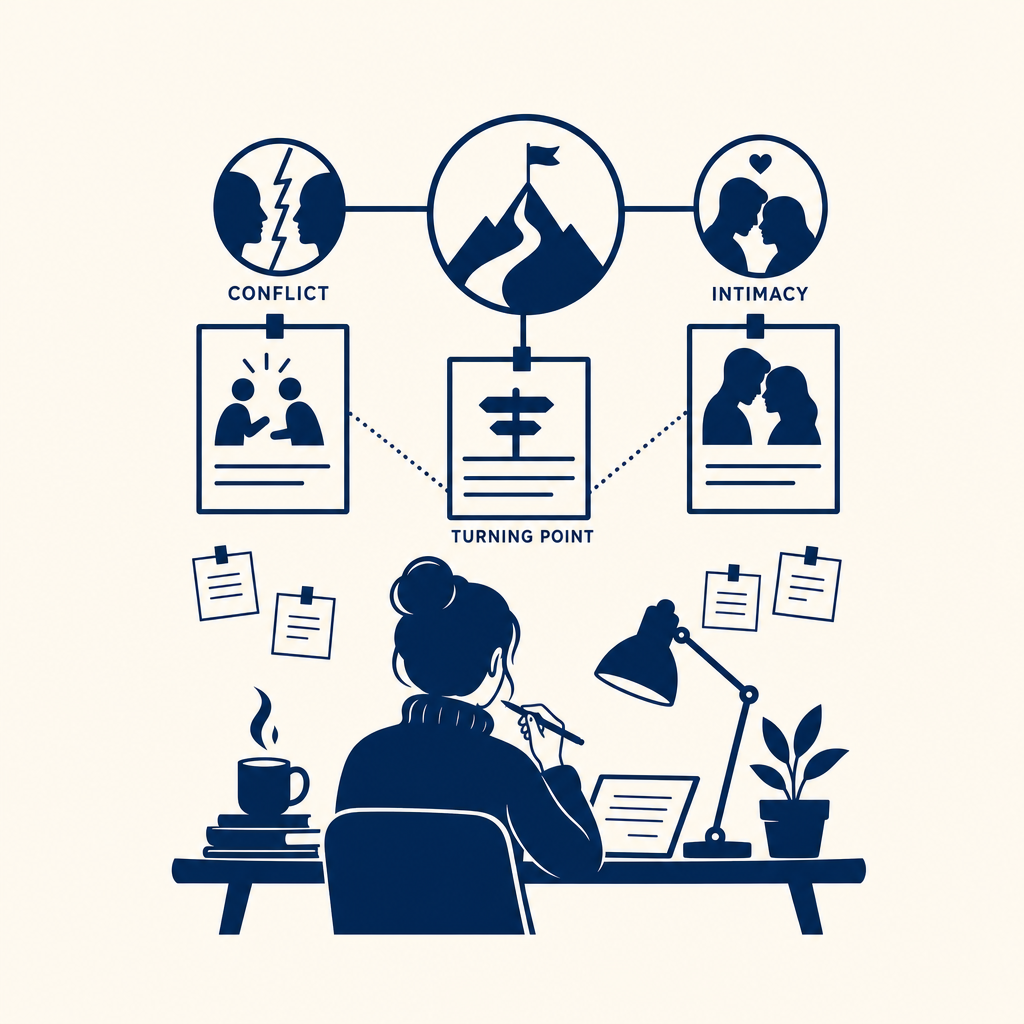
Navigating high-stakes scenes—conflicts, intimacy, and turning points—poses unique challenges for writers. This article delves into using Plotlyn's innovative platform to break down these integral moments in storytelling, allowing authors to effectively plan, structure, and draft compelling scenes that engage readers and enhance character development.
Understanding High-Stakes Scenes
High-stakes scenes rely heavily on the element of conflict, which propels both character development and plot progression. These conflicts can be classified as internal, originating from a character’s inner struggles, or external, arising from interactions with opposing forces or antagonists. Both types are instrumental in creating emotionally charged encounters that resonate with readers.
When planning these conflicts using Plotlyn, it’s pivotal to identify the character's goals, motivations, and the obstacles they face. For instance, a character combating their fear of vulnerability in a moment of intimacy can create a gripping internal conflict, while an external conflict might see them fighting against an oppressive regime or rival in a high-stakes situation.
To effectively escalate tension, one must map out how conflicts intersect and complicate each other. By introducing stakes that are not only life-or-death but also tied to the character’s personal investment, you raise the emotional ante. This can involve layering challenges that not only threaten the character physically but also challenge their ideals or relationships. For example, in a pivotal scene of The Dark Knight, Batman faces the moral dilemma of saving either Rachel or Harvey Dent—a moment steeped in high-stakes conflict that encapsulates both internal turmoil and external pressures. This strategic planning within Plotlyn helps ensure that resolutions are earned and satisfyingly impactful.
The Art of Conflict
Conflict is the heartbeat of high-stakes scenes, simultaneously elevating tension while revealing the depths of character. Within storytelling, conflict can be categorized into two primary types: internal and external. Internal conflict occurs within a character—struggles with desires, fears, and ethical dilemmas—challenging their sense of self. External conflict, on the other hand, stems from forces outside the character, such as antagonists, societal pressures, or environmental challenges. Together, these conflicts propel character development and shape the narrative’s trajectory.
To effectively plan conflicts using Plotlyn, begin by identifying the goals, motivations, and obstacles for each character involved. Use the node-based system to outline each character's internal desires against external threats, creating a robust web of interactions. By doing this, you can see how motivations clash and intertwine, setting the stage for escalating tension.
To heighten this tension, introduce stakes gradually—each small victory or setback should feel significant, building to a climax that satisfies both emotional and narrative arcs. When resolved, conflicts should not only provide closure but also highlight the growth of the characters, ensuring that readers feel the weight of their journey.
Crafting Moments of Intimacy
In the realm of storytelling, moments of intimacy serve as a delicate yet powerful counterbalance to conflict, functioning as pivotal emotional anchors within high-stakes scenes. Writing intimate scenes requires an acute understanding of emotional beats—those subtle shifts in feelings that convey depth and connection between characters. Utilizing Plotlyn's structured workflow allows authors to map these beats alongside body language and dialogue, ensuring nuanced portrayals of intimacy that resonate with readers.
Pay attention to body language: the slightest movement or momentary gaze can speak volumes. Incorporating these physical cues enriches the narrative, allowing readers to feel the weight of the characters' connections. Dialogue should flow naturally, revealing vulnerabilities and fostering authentic communication. The space between words can be just as important as what is spoken; pauses can build tension or convey longing.
Through Plotlyn, authors can visualize character arcs and emotional trajectories, mapping interactions that highlight intimacy's nuances. By identifying key emotional beats and aligning them with characters' goals and motivations, writers can craft intimate scenes that pull readers into the emotional heart of the story, amplifying their investment in the narrative and its characters.
Building Dramatic Turning Points
Turning points are the electrifying moments that pivot a narrative, especially within high-stakes scenes. They are not mere plot devices; they are pivotal emotional and narrative shifts that redefine characters and alter the course of the story. In crafting these moments, it’s crucial to understand their impact on character arcs—how they serve to test resolve, reveal hidden truths, and ultimately propel growth.
Using Plotlyn's node-based system, writers can effectively dissect and outline these transformative moments. A turning point should align seamlessly with a character’s journey, underscoring their struggles and desires. Within Plotlyn, identify the lead-up to the turning point by crafting nodes that detail emotional beats and conflicts. These nodes should spotlight the stakes involved, serving as a framework to heighten tension.
To write a compelling turning point, ask key questions: What do characters stand to gain or lose? How can their decisions resonate on multiple levels? By mapping these critical junctures in Plotlyn, authors ensure that their writing is not only cohesive but also rich in emotional stakes. This tight alignment enhances the reader's experience, making every turning point a significant heartbeat in the larger narrative.
Planning and Structuring High-Stakes Scenes
High-stakes scenes hinge on the effective interplay of conflict, intimacy, and turning points, making careful planning essential. In Plotlyn, this begins with outlining emotional beats alongside physical actions. Each character's emotional trajectory must resonate with readers, transforming tension into engagement. Authors can use Plotlyn’s node-based system to create a visual representation of these emotional beats, distinguishing between different types of stakes—whether personal, relational, or external.
In practice, once you map out your emotional beats, layer in the physical actions that amplify or counteract these feelings. A fight scene may convey desperation, while a moment of intimacy can reveal vulnerability. By using Plotlyn's workflow to nest these scenes within chapters, authors maintain coherence across what can be a chaotic mix of high-energy moments.
Additionally, considering the progression of high-stakes scenes within the tension hierarchy enhances the reader's experience. Each action or revelation should not only serve the plot but also build on previous stakes, ensuring a crescendo of intensity. This structured approach allows authors to keep the stakes high while ensuring each scene is meaningful and connected to the overarching narrative, setting the stage for powerful revisions later on.
Refining and Revising for Impact
Refining high-stakes scenes demands a meticulous approach to ensure every beat resonates with readers. As you plunge into revision, prioritize emotional resonance—does the scene evoke the intended feelings? Are the stakes sufficiently apparent? Utilize feedback, whether from beta readers or critique groups, to gauge their emotional response. This will help refine the clarity and depth of moments critical for conflict, intimacy, or turning points.
Pacing, another vital component, can make or break a scene’s effectiveness. High-stakes moments should feel relentless yet controlled. Assess the rhythm of dialogue and action: does it build tension without losing the reader?
Coherence is equally essential. Ensure that each emotional beat contributes to character development and plot progression. Every revival of tension or intimacy should tie back to character arcs and overarching themes.
Leveraging Plotlyn's workflow aids in this refining phase. By mapping out each scene, you can easily track emotional arcs and pacing, ensuring you don’t lose sight of your objectives. Plus, the visual representation aids in identifying areas requiring tightening or expansion, maximizing the scene’s impact.
Conclusions
By leveraging Plotlyn's structured environment, writers can master high-stakes scenes with confidence. From emotional beats to action choreography, each element plays a crucial role in shaping narratives. Remember: every pivotal moment should not only serve the plot but also deepen character connection, ultimately crafting a more impactful reading experience.