
Navigating the Publishing Gauntlet: Mapping Your Submission & Communication Strategy with Plotlyn
Beyond crafting the perfect query, an author's journey involves strategic communication with agents and editors. Learn how to use Plotlyn's node-based system to map out your submission pipeline, track correspondence etiquette, manage follow-ups, and maintain a professional, empowered approach to your author career.
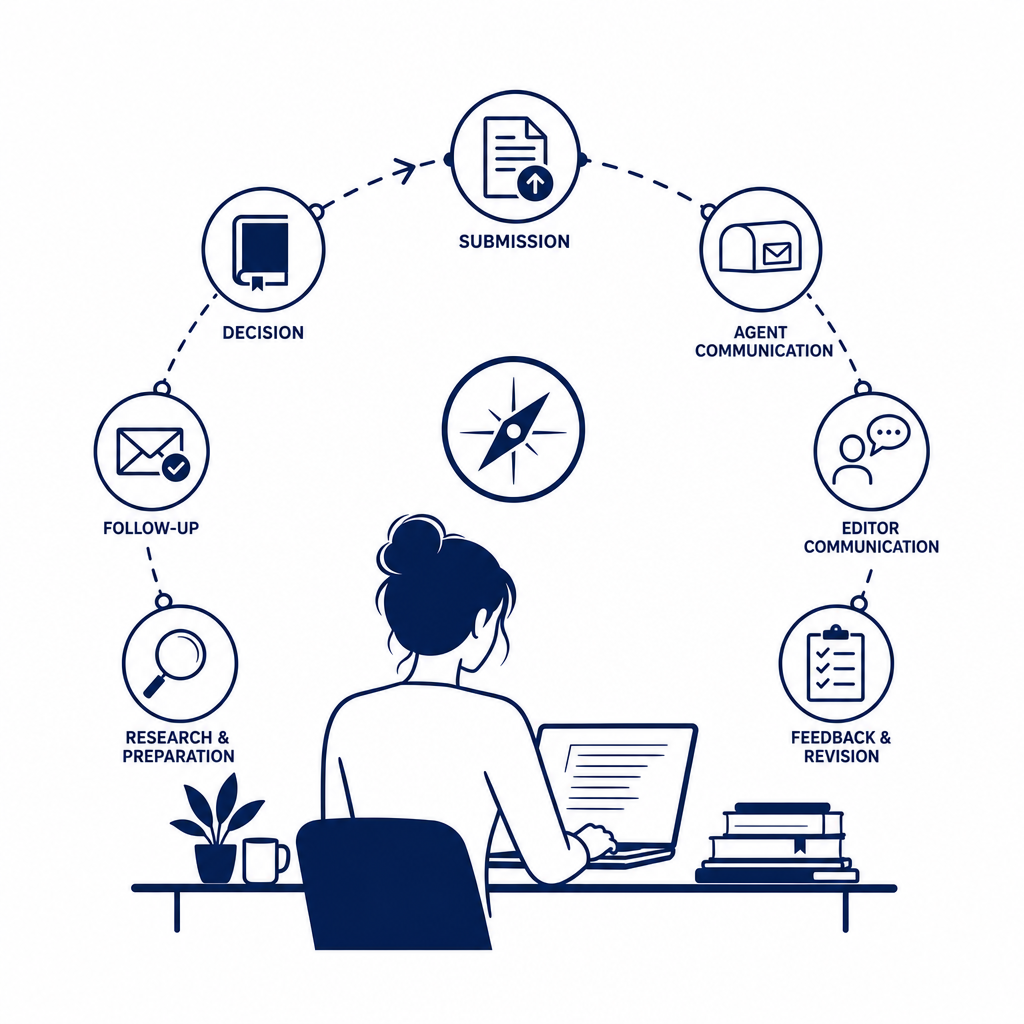
For many authors, navigating the complexities of the publishing landscape can be daunting. This article explores the essential strategies for effective submission and communication with agents and editors, emphasizing the importance of preparation and professionalism. Learn how to leverage Plotlyn's unique node-based system to streamline your workflow as you embark on your publishing journey.
Understanding the Publishing Landscape
Understanding the publishing landscape is essential for authors seeking to navigate the complexities of their submission journey. The publishing industry has evolved significantly, and authors now have a multitude of routes to consider: traditional publishing, self-publishing, and hybrid models. Each path offers distinct advantages and challenges that every aspiring author should weigh carefully.
In traditional publishing, securing an agent can be a pivotal step, as agents not only provide access to reputable publishers but also advocate for authors throughout the process. Editors, on the other hand, play a crucial role in refining manuscripts and ensuring they align with market demands. Understanding these roles can empower authors to tailor their submissions effectively.
While preparing for submissions, authors should take time to explore current market trends. What genres are thriving? What themes resonate with readers? This awareness allows authors to position their work strategically, enhancing their chances of appeal to agents and editors alike. By leveraging tools like Plotlyn, authors can visualize their submission workflows, ensuring they include market insights as part of a comprehensive approach to their author careers.
Crafting Your Query Letter
Crafting the perfect query letter is crucial in attracting the attention of agents and editors, setting the stage for your publishing journey. Begin by focusing on three essential elements: the hook, the book outline, and your author bio.
Start with a compelling hook—one or two sentences that encapsulate your story’s essence and allure. For instance, if your novel features a twisty detective plot, consider beginning with a question that highlights the stakes, piquing curiosity immediately.
Next, provide a succinct outline of your book. Aim for a brief summary of the plot that includes key characters, conflicts, and resolutions while maintaining an engaging tone. Use comparisons to existing titles sparingly and only when they genuinely reflect your work’s themes and style.
Finally, present your author bio. Highlight relevant writing credentials, previous publications, or unique personal experiences that lend credibility to your narrative voice.
Remember, tailoring your query is paramount. Research agents to find those who align with your genre and interests. Avoid generic submissions; personalization can significantly enhance your chances of success.
Plotlyn’s node-based framework allows you to organize ideas, craft your query, and visualize connections between elements, resulting in a cohesive and polished final product.
Building a Submission Tracker
Building a Submission Tracker: A submission tracker is an invaluable tool for managing your queries and maintaining control over your publishing journey. Using Plotlyn's intuitive node-based system, you can create a customized tracker that allows you to visualize your submissions and streamline your workflow.
Start by establishing nodes for each agent you’re targeting. For every agent, include vital details such as submission dates, manuscript type, and genre preferences. Next, create a node for each submission, linking it to the corresponding agent. Within this node, document the date you submitted your manuscript, any personalized notes on the query, and responses received. This not only helps keep track of where you are in the process but also allows you to analyze patterns and preferences among different agents.
Incorporate follow-up deadlines as additional nodes that tie back to each submission. Setting reminders for follow-ups ensures that you maintain engagement without becoming overly persistent. With this framework, you’ll always have a clear overview of your submission journey, allowing you to navigate the publishing gauntlet with confidence and clarity. A well-organized submission tracker empowers you as an author, helping to manage the often chaotic journey toward publication.
Mastering Correspondence Etiquette
Mastering Correspondence Etiquette: Communicating effectively with agents and editors is crucial in the publishing landscape. Understanding the nuances of correspondence etiquette can set you apart and reflect your professionalism throughout your author career.
When reaching out, pay close attention to response timelines specific to each agent or editor. Many expect a two to four-week window for initial responses, but it's essential to check their websites for specific guidelines. If their timeline passes without a response, a polite follow-up can be appropriate. Waiting four to six weeks is generally respectful unless otherwise indicated.
To maintain professionalism, avoid using overly casual language and ensure that your correspondence is free from typos and errors. Use a formal greeting and closing, and personalize your message where possible. Crafting templates for various types of correspondence, such as initial queries and follow-ups, can save time and help maintain consistency.
Leverage Plotlyn’s organization tools to store these templates, allowing you to tailor messages quickly while keeping communication personalized. By strategically mapping your correspondence in Plotlyn, you can ensure an efficient and respectful dialogue with agents and editors, enhancing your submission process.
Managing Follow-ups and Responses
In the intricate landscape of the publishing industry, managing follow-ups and responses is a vital skill for every author. After sending a submission, it’s crucial to remain attentive yet respectful; a well-timed follow-up can signify professionalism without crossing the line into impatience. Generally, a waiting period of 4-8 weeks post-submission is advisable before making any inquiries.
When responses arrive, they can range from enthusiastic acceptance to constructive rejections. For positive responses, celebrate your success, but remain focused on the next steps—whether it’s negotiation or revisions. Negative responses, while disheartening, should be viewed as opportunities for growth. Acknowledge the feedback provided and consider how it can enhance your work for future submissions.
Plotlyn’s structured approach facilitates efficient tracking of these communications. Use its node system to schedule follow-up reminders aligned with each agent's or editor's timeline. By documenting responses, you can develop insights into industry trends regarding feedback. This level of organization empowers you to manage expectations and empowers your career with a proactive strategy, ensuring you’re always prepared for what comes next in your publishing journey.
Empowering Your Author Career
As you navigate the complexities of your author career, cultivating a resilient and adaptable communication strategy is paramount. The world of publishing is ever-changing, and your ability to respond to its shifts will define your success. With Plotlyn's node-based system, you can seamlessly integrate communication not just during the submission phase but throughout your entire writing journey.
Utilizing Plotlyn, create nodes for various communication scenarios: initial queries, agent interactions, and editor feedback. By visualizing these connections, you can streamline your workflow and ensure you're prepared for different outcomes, whether they be requests for revisions or invitations to submit full manuscripts.
Maintain a professional demeanor across all interactions. Polite, prompt replies to agents and editors build a respectful rapport, while thoughtful follow-ups showcase your commitment. Consistently practicing good etiquette—such as thanking an agent for their time or expressing appreciation for feedback—can elevate your professional image.
Ultimately, your author career will thrive through resilience and adaptability. Use Plotlyn as a continuous workflow tool, allowing it to guide you through the ups and downs of publishing, ensuring that your path is not only organized but also illuminated with opportunities for growth and success.
Conclusions
By implementing the strategies outlined in this article, you'll be better equipped to approach the publishing process with confidence and clarity. Utilizing Plotlyn's tools can enhance your organization and communication, empowering you to make informed decisions. Remember, the journey of an author is as much about strategic engagement as it is about crafting a compelling narrative.