
The Interrupted Author's Guide
Life often throws busy authors curveballs, making long, uninterrupted writing sessions a rare luxury. This guide shows how Plotlyn's unique node-based architecture and nested canvases are perfectly suited for authors who write in short, fragmented bursts. Discover practical strategies to leverage Plotlyn for efficient micro-sprints, ensuring every snatched moment contributes meaningfully to your novel or nonfiction project, maintaining context, and accelerating your manuscript towards completion, no matter how chaotic your schedule.
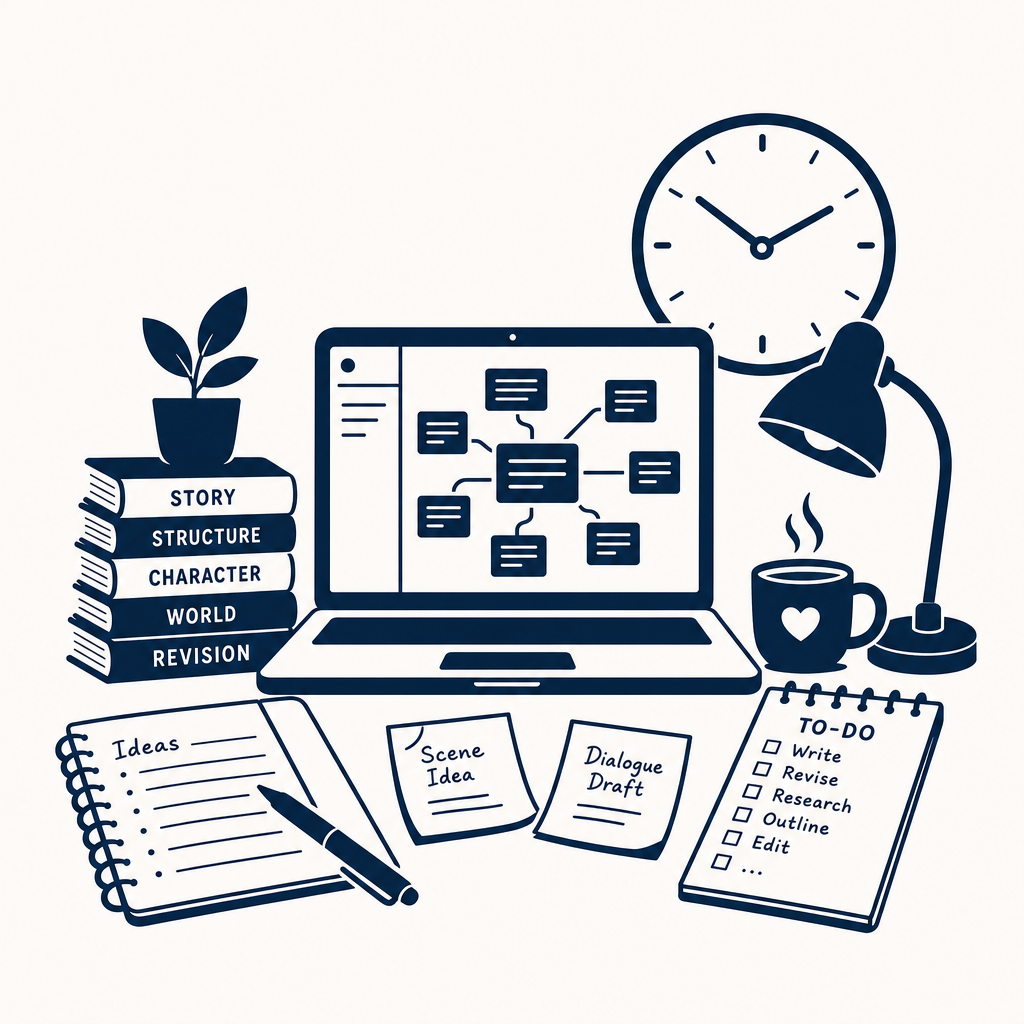
For busy authors, finding the time to write can feel impossible. With countless interruptions and responsibilities, fragmented writing has become the norm. This guide explores how Plotlyn can transform these stolen moments into productive writing sessions, enabling consistent progress for both novelists and nonfiction writers, even in the busiest of schedules.
Understanding Fragmented Writing
Understanding Fragmented Writing:
Fragmented writing is a reality for many authors today—interruptions fill our days, leaving little room for prolonged concentration on writing tasks. The modern lifestyle, with its relentless demands, makes sustained writing sessions a rare luxury. Factors such as juggling jobs, family responsibilities, and social commitments can severely impact a writer's ability to dedicate uninterrupted time to their craft. Studies indicate that over 60% of writers report struggling with consistent writing habits due to these distractions, making fragmented writing an all-too-common experience.
The emotional toll can be challenging; feelings of inadequacy or frustration often arise when authors cannot develop their ideas as they see fit. Busy authors must adapt to this reality by utilizing short, focused bursts of productivity—what we now call micro-sprints. Each moment of writing, however brief, can still contribute to the larger narrative, fostering a sense of achievement amid chaos. For authors harnessing platforms like Plotlyn, each quick session can be meaningful and contextually connected, transforming interrupted writing into productive progress toward their goals.
The Power of Time Management for Authors
Managing time effectively is crucial for busy authors who navigate a multitude of obligations while trying to carve out precious moments for writing. To maximize productivity, adopting a systematic approach to time management can profoundly impact one’s writing workflow.
One such technique is prioritizing writing time. Identify specific blocks within your week dedicated solely to writing, treating them as unmissable appointments. This commitment requires balancing tasks using the Eisenhower Matrix, which divides tasks into four categories: urgent and important, important but not urgent, urgent but not important, and neither urgent nor important. This can help you see where writing fits amid your other obligations, ensuring it retains its significance.
Consider setting micro-deadlines for smaller sections of your work, encouraging steady momentum rather than overwhelming yourself with long-term goals. Having a daily word count or a scene completion target can foster a sense of accomplishment even amidst fragmented writing sessions.
Utilizing a planner or digital calendar can streamline your allocated writing sessions. Remember, even 15 minutes can yield significant progress when approached with intention. Embrace these strategies to nurture consistent progress, turning brief moments into a coherent narrative.
How Plotlyn Fits into Your Workflow
For authors navigating the chaos of a busy life, Plotlyn serves as an ideal ally. Its unique node-based architecture allows for an intuitive management of ideas that can evolve even in brief bursts of creativity. Picture each scene, character, or idea as an easily movable node on a canvas. This setup transforms fragmented writing sessions into opportunities for meaningful progress without the cumbersome task of reorienting oneself each time.
Setting up a chapter or scene in Plotlyn is remarkably straightforward. Begin by creating a new node for your upcoming chapter. Within that node, you can nest sub-nodes for key elements like themes, character arcs, or plot points. This structure allows you to shift between ideas fluidly, preserving context and enhancing your writing workflow. For instance, as you draft dialogue in one sub-node, you can quickly toggle to another to adjust a character’s backstory, ensuring consistency and depth.
The visual nature of Plotlyn not only simplifies the organization of thoughts but also promotes a holistic view of your manuscript’s progress. By leveraging these features, busy authors can ensure that even the most fragmented moments contribute significantly to reaching their writing goals.
Implementing Micro-Sprints
The beauty of micro-sprints lies in their ability to harness fleeting moments of creativity amidst a busy author’s life. These focused bursts, often lasting 10 to 30 minutes, can yield surprising productivity, especially when supplemented by tools like Plotlyn. To initiate a micro-sprint, start by setting a timer—this creates a sense of urgency that can fuel your creative energy.
Before you dive in, eliminate distractions: close unnecessary tabs, silence notifications, and find a quiet corner. With Plotlyn’s node-based architecture, you can quickly access relevant scenes or notes, ensuring that you’re not wasting precious writing time searching for your thoughts.
Personal anecdotes tell powerful stories; consider the author who completed three chapters during her children’s naptime. By embracing micro-sprints with Plotlyn, she transformed these small windows of time into significant strides toward her manuscript’s finish line.
Setting specific, achievable goals for each session, such as writing 200 words or fleshing out a character node, bolsters consistent progress. These tiny victories accumulate, pushing your project ever closer to completion while fitting seamlessly into your bustling schedule.
Maintaining Context and Flow
In a world where interruptions are the norm, maintaining context while writing can feel like a daunting task. Plotlyn’s unique node-based architecture offers a powerful solution for busy authors striving to keep their narrative flow intact. Utilize the canvas to create a visual map of your story, linking scenes, characters, and key plot details—this enables you to quickly reorient yourself amidst your fragmented writing sessions.
One effective strategy is to color-code nodes based on themes or character arcs. This visual distinction allows you to grasp the emotional or narrative weight of a section at a glance. Consider attaching character notes or relevant research directly to scene nodes; this keeps essential information readily accessible, minimizing the mental effort required to regain context.
When revisiting your work after an interruption, take a moment to scan your canvas before diving back in. Engaging in a brief summary of your last few sentences can help reignite your narrative voice, making the transition smoother. Use Plotlyn’s nested canvases to draft fragmented ideas or character thoughts separately, ensuring they can be seamlessly integrated into your main narrative later. Emphasizing context through these techniques not only sustains your writing flow but also transforms fragmented moments into meaningful progress.
Revising and Completing Your Manuscript
As a busy author, transitioning from drafting to revising may seem daunting, especially when your writing process is fragmented. However, Plotlyn's unique structure facilitates this transition, turning revision from a chore into a natural progression of your writing. By utilizing the node-based architecture, you can quickly navigate through your structured notes and canvases to pinpoint areas that need enhancement.
Start by categorizing your manuscript according to themes, character arcs, or plot points. This organization allows for a focused approach to revision. As you outline your micro-sprints, consider allocating specific sessions to revisit certain sections. Use the visual cues provided by Plotlyn to assess each node's clarity and coherence. Are the characters fully developed? Is the plot progression logical?
Revision isn't merely a redrafting exercise; it's an opportunity to deepen your narrative. Recognize that each fragment of writing you’ve completed contributes to this phase. Embrace revision as an integral aspect of your writing workflow. This mindset encourages consistent progress, turning isolated moments into a comprehensive and polished manuscript that reflects your vision. With Plotlyn, every editing session, no matter how brief, becomes a vital step towards completion.
Conclusions
By utilizing Plotlyn's intuitive tools, busy authors can harness their fragmented writing moments to make steady progress on their manuscripts. This guide has provided practical strategies for effective micro-sprints, ensuring that each session contributes toward your writing goals, regardless of the chaos. Embrace these techniques to turn interruptions into opportunities.