
Beyond Plotlessness: Using Plotlyn to Weave Meaning and Purpose into Every Scene
Feeling like your story is drifting? Learn how Plotlyn's node-based canvases and nested outlines can help you identify and eliminate plotlessness, ensuring every scene serves the protagonist's journey and contributes to a powerful, meaningful narrative arc that deeply resonates with readers.
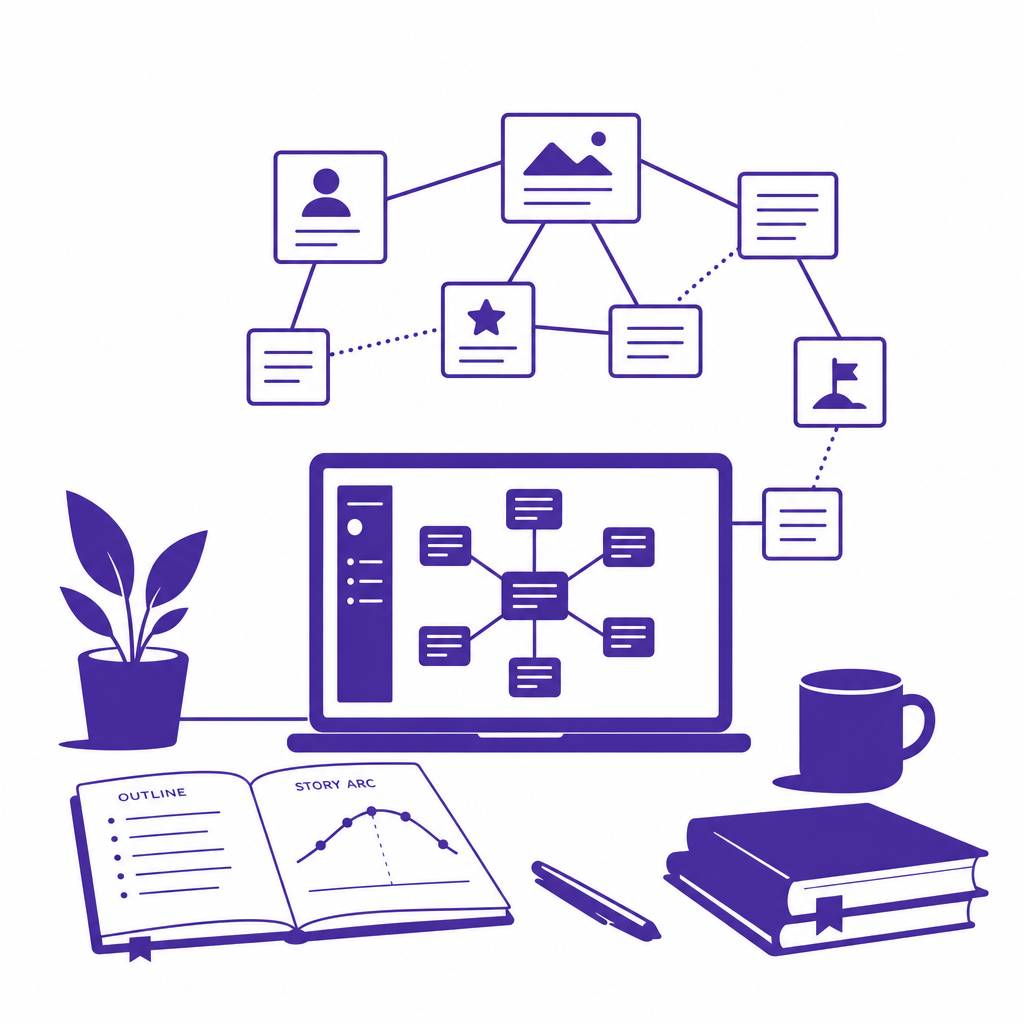
In the world of storytelling, plotlessness can lead to disjointed narratives that fail to engage readers. This article explores how Plotlyn can transform your writing process, enabling you to create meaningful scenes that align with your protagonist's arc. By utilizing node-based canvases and structured outlines, you can enhance narrative purpose and maintain momentum in your stories.
Understanding Plotlessness
Plotlessness often emerges in storytelling as an absence of direction, where the narrative drifts without an anchor. This phenomenon can stem from several sources: over-reliance on thematic exploration at the expense of plot, character development that lacks focus, or a reluctance to engage in the structured frameworks that guide narrative progression. Recognizing plotlessness is crucial, as it can dilute the reader's experience, leaving them disoriented and disengaged.
Narratives such as The Dead by James Joyce or Catcher in the Rye by J.D. Salinger exhibit moments where plot takes a backseat to introspection, leading to a sense of meandering without resolution. These works exemplify how scenes that lack clear purpose contribute to character development but can also confuse readers, making it difficult to connect emotionally with the protagonist's journey.
Identifying plotlessness enables writers to reassess their narratives critically. With tools like Plotlyn, writers can visually map scenes to ensure that each contributes meaningfully to the overarching narrative structure. This clarity helps root characters in their journeys, enhancing engagement while fostering deeper emotional connections with readers, ultimately enriching the storytelling experience.
The Protagonist's Journey
When crafting a narrative, the protagonist's journey serves as the heartbeat of the story, directly influencing its meaning and emotional resonance. Aligning scenes with this arc is essential for capturing reader engagement. Frameworks like the Hero's Journey provide a roadmap for this construction, emphasizing stages such as "Call to Adventure," "Trials," and "Return." Each stage offers an opportunity to plot scenes that deepen character development and thematic relevance.
Incorporating Plotlyn into this framework allows writers to visualize and refine each encounter, ensuring that every scene propels the protagonist’s growth. By utilizing node-based canvases, writers can track how each moment connects to their character's emotional evolution, facilitating a coherent flow of events that amplify impact. This ensures that scenes move beyond mere transitions, generating significance through their contribution to the protagonist's arc.
A well-structured narrative deeply invests readers in the protagonist's journey, creating a dynamic experience characterized by empathy and anticipation. As scenes are meticulously plotted within this framework, the underlying narrative purpose becomes clear, transforming potential plotlessness into a story rich with meaning and emotional depth.
The Role of Scene Planning
Meticulous scene planning is essential in combating plotlessness and ensuring that every moment of your story serves a distinct purpose. Each scene should act as a stepping stone in the protagonist’s journey, advancing the narrative while deepening character development. A powerful technique is to map out the purpose of each scene using bullet points or a visual representation, ensuring that it contributes to the overarching narrative arc.
Ask yourself:
- What is the goal of this scene?
- How does it challenge the protagonist or reveal their character?
- In which way does it propel the plot forward?
By aligning each scene with these questions, you'll cultivate a cohesive narrative flow that captivates readers. Make use of Plotlyn’s node-based structure: each node can represent a scene, allowing you to visualize how different moments connect and build upon each other. As scenes evolve, ensure they resonate emotionally with the audience, creating an engaging rhythm that maintains interest.
With this clarity, you’ll eliminate any drift in your story's progression, reinforcing both the thematic depth and the protagonist’s growth within a robust narrative framework.
Leveraging Plotlyn for Structure
With Plotlyn, authors can elevate their story structure by leveraging its innovative node-based writing system. This tool provides a visual landscape where your ideas can flourish, enabling you to map out the entirety of your narrative with clarity. Each node represents a scene or concept, allowing for a flexible arrangement of ideas that can be easily modified as your story evolves. This dynamic organization helps identify gaps in your narrative flow, ensuring that plotlessness is eliminated and that every element is intricately tied to the protagonist's arc.
Utilizing the nested outline feature, authors can delve deeper into chapter development. By creating layers of detail within each chapter node, you can ensure that the scenes serve a dedicated purpose in advancing both character development and thematic depth. This structure allows for a coherent progression that aligns with the overarching narrative purpose. With Plotlyn's intuitive interface, scene planning transforms from a daunting task into a seamless workflow that encourages exploration and iteration. As each scene is visually tied to the protagonist’s journey, you gain insights into whether it resonates meaningfully with your readers, thereby enriching their experience.
Crafting Meaningful Scenes
Crafting scenes that resonate begins with an understanding of their emotional stakes and how they contribute to the protagonist's arc. Using Plotlyn’s node-based workflow, you can visualize and manipulate each scene to ensure that every moment serves a purpose. Start by clearly defining the theme and emotional tone of your narrative. As you create each scene node, ask yourself: How does this scene advance my protagonist's journey?
Infusing meaning into scenes involves:
- Character Development: Ensure your protagonist evolves with each scene. Through dialogue and action, highlight their internal conflicts and growth.
- Thematic Layers: Weave themes into each scene. A scene may seem plotless if it doesn't echo or explore the core themes of your story.
- Emotional Stakes: Elevate the tension by making sure each scene presents a challenge or a decision that forces the protagonist to act, creating a ripple effect in their arc.
As you design your scenes in Plotlyn, use the nested outlines to correlate scenes with major narrative objectives, allowing you to trace how each one impacts the overall story direction. By focusing on these elements, you will eliminate plotlessness and create a rich tapestry that captivates readers, ensuring every moment contributes to an unforgettable narrative experience.
Revision for Narrative Depth
In the revision process, enhancing narrative depth requires a keen focus on identifying and eliminating plotlessness. Begin by examining each scene through the lens of the protagonist's arc. Ask yourself: Does this scene propel the character's journey forward, or does it simply occupy space? With Plotlyn’s node-based canvas, you can visually map out character motivations and track how each scene relates to the larger narrative purpose.
Create a nested outline within Plotlyn that categories scenes by their contribution to the story, marking those that feel redundant or disconnected. This allows you to easily identify weak links that dilute the story's impact. Consider employing strategies such as cutting unnecessary dialogue that doesn't contribute to character development or scene tension and condensing scenes that serve parallel purposes.
Utilize Plotlyn’s linking features to connect scenes to their thematic significance. By ensuring every scene resonates meaningfully with the overall narrative, you reinforce the emotional stakes and make every moment matter. This methodical approach not only sharpens your focus but also deepens the reader's experience, providing a satisfying journey through your carefully crafted narrative.
Conclusions
Achieving a meaningful narrative requires intentional scene planning and a strong understanding of your protagonist's journey. Plotlyn offers the tools to eliminate plotlessness, ensuring that every scene contributes purpose and resonates with readers. By applying the techniques discussed, you can bring your story to life, weaving a narrative rich in depth and significance.