Seamlessly Blending Genres: How Plotlyn Helps You Weave Diverse Story Elements Without Losing Your Reader
Explore five practical strategies for combining different genres in your novel or long-form project. Learn how Plotlyn's node-based canvases and nested outlines allow authors to map out disparate genre conventions, maintain narrative cohesion, and ensure a unified reading experience even in complex, multi-genre works.
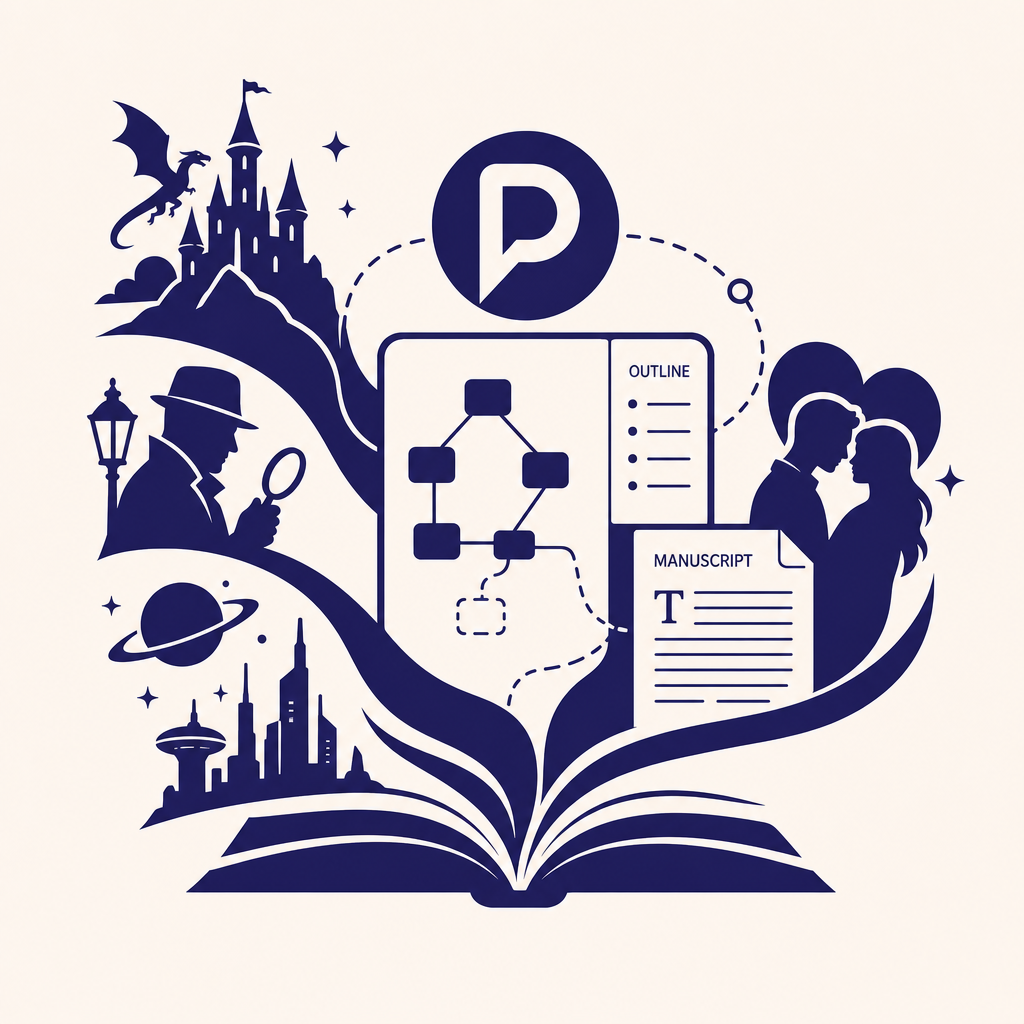
Blending genres can bring fresh creativity to your writing, yet it poses challenges in maintaining structure and coherence. In this article, we explore practical strategies for genre blending using Plotlyn's innovative tools. Discover how to map out diverse conventions and keep your narrative focused, ensuring that readers remain engaged throughout your multi-genre story.
Understanding Genre Blending
Genre blending is an innovative approach in storytelling that combines elements from different genres to create unique narratives, enriching both the plot and character development. This strategy broadens the scope of storytelling, enabling authors to reach wider audiences by tapping into diverse reader preferences. For example, a novel might blend romance with science fiction, allowing for a love story set against an intergalactic backdrop—a concept that can captivate fans of either genre.
Mixing genres can also foster creativity, providing authors the freedom to explore complex themes and multifaceted characters that a single genre might limit. Works like “The Night Circus” by Erin Morgenstern blend fantasy and historical fiction, showcasing how genre fusion can produce a rich, immersive experience. Similarly, “Pride and Prejudice and Zombies” by Seth Grahame-Smith illustrates how combined genres can create humor and intrigue, appealing to fans of both literary classics and horror.
In a world where readers seek fresh experiences, genre blending holds significant marketability potential. It captures attention and elevates narratives, presenting authors with opportunities to innovate while enriching the reading landscape. As contemporary storytelling evolves, the art of genre blending becomes increasingly indispensable.
Identifying Genre Conventions
Understanding genre conventions is crucial for any author interested in blending genres. Each genre comes with its own set of conventions—tropes, themes, and structural elements—that shape reader expectations. For instance, in a mystery, readers anticipate red herrings and clever resolutions, while in a romance, emotional arcs and character chemistry dominate.
To successfully blend genres, it’s essential to analyze the conventions of the genres you wish to merge. Start by identifying key elements such as character archetypes, narrative techniques, pacing, and tone. Create a list that outlines these conventions for each genre. Understanding how these elements interact can reveal opportunities for innovative storytelling. For example, combining a thriller's plot twists with a fantasy world can create an unexpected tension that captivates readers.
As you map out your ideas using Plotlyn's node-based canvases, consider how these conventions can intermingle. This process allows for informed decisions about which elements to emphasize or subvert, ensuring that your story feels cohesive. By grounding your multi-genre venture in a solid grasp of genre conventions, you'll not only meet but potentially exceed the expectations of your audience.
Developing a Cohesive Narrative Structure
When crafting a multi-genre novel, developing a cohesive narrative structure is paramount for engaging your readers. A successful blend of genres hinges on the effective management of storytelling arcs and character development. One way to achieve narrative cohesion is by aligning the emotional beats of your characters with the conventions of each genre, ensuring that transitions feel organic rather than abrupt.
Utilizing Plotlyn's node-based structure allows authors to visualize and manipulate these diverse narrative threads easily. By creating individual nodes for distinct genres and their corresponding arcs, you can map how each genre's traits interact, overlapping where necessary to create a harmonious flow. This visual approach helps in identifying potential clashes or inconsistencies, allowing for adjustments to be made early in the process.
Moreover, emphasizing character development across genres is crucial. Ensure that your characters grow in ways that resonate with the audience, irrespective of shifts in genre. By maintaining character consistency while adapting their journeys to fit various genres, you create a unified reading experience that guides the reader through the complexities of your story. Ultimately, the art of multi-genre writing lies in marrying these elements, enabling you to craft a compelling narrative that navigates different terrains seamlessly.
Outlining Techniques for Multi-Genre Projects
Effective outlining techniques are essential when managing multiple genres within a single narrative. With Plotlyn's node-based canvases and nested outlines, authors can create a comprehensive overview while maintaining the unique distinctions of each genre. This approach allows the seamless integration of different narrative elements without jeopardizing the overall cohesion.
Start by utilizing nested outlines to structure your plot. Each genre can have its own outline nested within a broader framework, allowing for clarity on the specific conventions that define each genre, such as pacing, tone, and character archetypes. This technique helps maintain focus on individual genre conventions while ensuring that they complement each other in the overarching narrative.
Next, leverage mapping conventions within Plotlyn. By visually representing the interconnections among various plot points, subplots, and character arcs, you can easily identify how different genres influence one another. Mapping also aids in spotlighting potential conflicts or synergies, ensuring that transitions between genres feel organic rather than abrupt.
Finally, regularly revisit and refine your outlines throughout the drafting process. This iterative approach enables you to adjust your narrative structure as needed, keeping each genre's essence intact while promoting narrative cohesion in your multi-genre project.
Drafting with Focused Nodes
Drafting with focused nodes within Plotlyn can be a game changer for authors tackling multi-genre projects. These focused writing nodes facilitate clarity, enabling writers to hone in on specific elements like character voice, tone, and genre conventions without getting overwhelmed by the broader narrative.
When drafting, start by utilizing nodes dedicated to each genre's distinct elements. For instance, if your novel merges fantasy with mystery, create separate nodes that emphasize magical tropes and suspense techniques. This structured approach allows you to maintain genre-specific nuances while developing an overarching story.
As you pen your draft, periodically assess your focused nodes against the overall narrative. This ensures that changes in tone or character voice align with the story's direction. Asking questions like, “Does the dialogue reflect the character's voice?” or “Is the pacing consistent with genre expectations?” can guide your revisions.
Lastly, remember that multi-genre drafting requires flexibility. Embrace the organic flow of creativity but remain anchored in your outlined goals. With Plotlyn’s supportive framework, you can confidently navigate the complexities of genre blending while maintaining a cohesive reading experience.
Revising for Cohesion and Impact
Revising a multi-genre novel presents unique challenges and opportunities that require careful consideration of narrative cohesion and reader experience. To navigate this complexity, it's essential to empathize with the reader's journey, ensuring they can easily follow the story despite shifting genres.
Start by identifying the emotional arcs associated with each genre. Map out how these arcs intersect and reinforce one another, maintaining a sense of continuity across disparate elements. Using Plotlyn's node-based canvases, visualize these connections, allowing you to see where transitions might feel abrupt or disjointed.
Next, focus on refining your transitions between genres. Smooth transitions help retain immersion and prevent readers from feeling jarred. Consider using thematic links or recurring motifs to weave different genres together, creating a cohesive narrative experience.
Encouraging feedback during your revision process is crucial. Engage beta readers who appreciate genre blending; their insights can illuminate gaps in reader comprehension or emotional resonance. Iterative improvements—adjusting pacing, tone, or character perspectives—can significantly enhance the overall impact of your manuscript. In the end, the goal is a polished piece that seamlessly integrates multiple genres, offering a satisfying experience for your readers.
Conclusions
Successfully blending genres enriches your writing, allowing for innovation and depth. By applying the strategies outlined here within Plotlyn's framework, you can ensure each genre element enhances the narrative instead of detracting from it. Embrace the complexity of multi-genre storytelling, and let your creativity flow with structured guidance.