Weaving a Tapestry of Deception: How to Plot Complex Lies and Red Herrings with Plotlyn
For authors crafting thrillers, mysteries, or character-driven dramas, building a convincing 'web of lies' requires careful planning. Discover how to use Plotlyn's node-based canvas to map out character motivations, secret agendas, false clues, and escalating deception, ensuring your intricate plot threads never unravel. Learn to track multiple timelines of truth and fabrication, ensuring a cohesive and compelling narrative that keeps readers guessing.
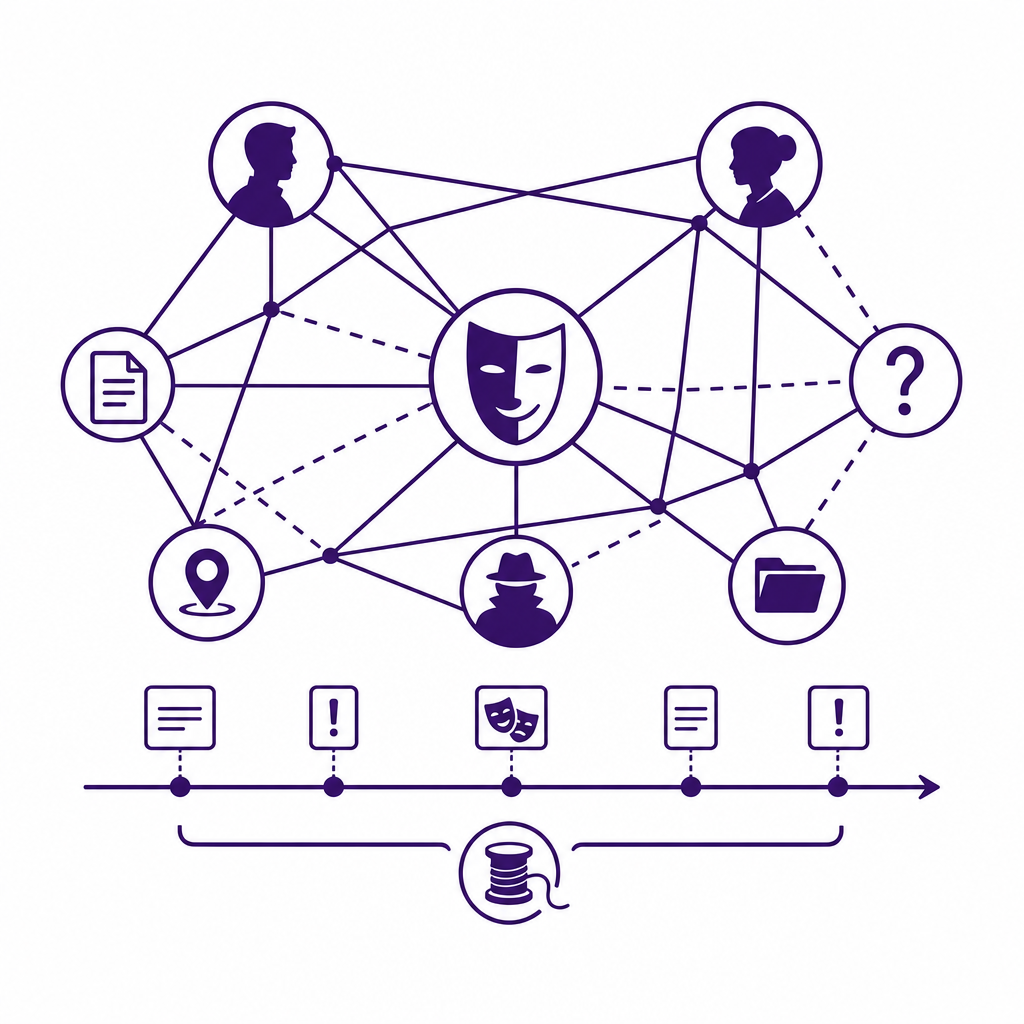
Crafting an intricate web of deception in storytelling is no small feat. In this article, we explore how Plotlyn can aid writers in plotting complex lies and red herrings that captivate readers. By systematically mapping character motivations and secret agendas, authors can create layered narratives that keep audiences on the edge of their seats.
Understanding Deception in Storytelling
Deception in storytelling thrives on the complexity of character motivations. When crafting a narrative filled with twists and red herrings, understanding what drives your characters is crucial. Fear, desire, and vengeance can all serve as powerful catalysts for deception, influencing how characters interact with each other and the situations they find themselves in. For example, in Agatha Christie’s "And Then There Were None," each character harbors a secret that fuels their actions, ultimately leading to their downfall.
Using Plotlyn's node-based canvas allows authors to visually map these intricate motivations alongside the web of lies they weave. By seeing how each character's desire can lead them to deceive or mislead others, you can create a more believable and compelling narrative. The interplay between motivations like ambition and guilt can give rise to unexpected betrayals, enriching the story's tension.
When crafting your plot, consider how these motivations not only affect the characters' decisions but also resonate with readers. Understanding this psychological impact ensures that the deception feels natural, driving the story forward while keeping readers on the edge of their seats.
Character Motivations: The Heart of Deception
Character motivations are the cornerstone of effective deception in storytelling. When authors craft compelling characters with intricate motivations, they create layers of conflict and tension that make their lies more believable. Each character's driving force—be it fear, desire, revenge, or loyalty—can intertwine with deceitful actions, leading to a rich tapestry of interactions that captivate readers.
Using Plotlyn's node-based canvas, writers can visually map out these motivations, illustrating how they connect and conflict within the narrative. For instance, a character motivated by vengeance may manipulate another character’s desire for love, leveraging their weaknesses to further their agenda. This interplay creates a dynamic web where lies are not simply misleading, but crucial to character development and plot progression.
Developing these motivations involves asking deep questions about each character's backstory and aspirations. What fears drive them to deceive? What desires are they willing to risk everything for? By understanding these underlying factors, authors can heighten the stakes, making each act of deception feel organic and necessary. The more complex these motivations, the more engaging the narrative becomes, ensuring the characters are not just players in a game of deceit, but relatable, multi-dimensional beings navigating a world of hidden truths.
Creating Red Herrings: Misdirection Mastery
Creating effective red herrings is a vital technique in the arsenal of any storyteller, especially within the realms of mysteries and thrillers. Red herrings are misdirections that divert the audience's attention away from the truth, fostering intrigue and suspense. Their purpose is to keep readers on their toes, making the eventual revelations even more satisfying when the true narrative unfolds.
To craft impactful red herrings, they must be seamlessly integrated into the story. This can be achieved by employing several techniques, such as introducing seemingly relevant clues that pan out differently than expected, or developing subplots that appear critical but ultimately lead nowhere. The key is to ensure that their presence feels organic and not contrived, maintaining the illusion that they could contribute meaningful insights.
Using Plotlyn’s node-based canvas, authors can visually track their red herrings across the narrative. Map out where the red herrings appear in relation to key plot points and character arcs, allowing for adjustments in real-time. By aligning these misdirections with your characters’ motivations, you can effectively layer deception, ensuring that each thread is woven into the overall tapestry without pulling focus from the intricate web of lies you've already crafted.
Structuring Your Web of Lies
Structuring complex plots filled with lies and deception involves careful consideration of narrative structure and the interplay of truth and fabrication. Timelines play a crucial role here; they can add layers of complexity while enhancing the intrigue of your story. By crafting an intricate timeline, you can enable multiple characters to possess their own hidden agendas, creating a rich tapestry where truth is often obscured by well-placed lies.
Using Plotlyn's node-based canvas, authors can visualize how these timelines intertwine. Each node can represent a character's perspective, secret motivations, or a pivotal event, allowing you to see how various elements connect or clash. For example, if a character is lying about their whereabouts, you can create parallel timelines that illustrate their movements alongside another character trying to uncover the truth.
The visual layout helps you maintain cohesion. As you expand your web of deception, you can effortlessly track how each plot twist interlaces, ensuring that all threads remain taut and interconnected. This method not only nurtures a consistent narrative but also enables you to escalate deception organically, drawing readers deeper into your crafted intrigue.
Balancing Truth and Fabrication
Maintaining a delicate equilibrium between truth and fabrication is crucial when crafting narratives steeped in deception. A well-timed revelation of truth can enhance tension and deepen reader engagement, while a strategic insertion of lies keeps them guessing. The key lies in pacing—balancing the frequency and intensity of what is revealed to the audience versus what remains hidden.
Utilizing Plotlyn’s node-based canvas, authors can effectively map out these pivotal moments. By organizing truths alongside lies, writers can visualize how genuine character motivations coexist with secret agendas. This arrangement not only aids in clarifying both plot direction and character arcs but also highlights potential plot holes before they emerge in the narrative.
As you develop your web of deception, consider integrating smaller truths that enrich the storyline and reinforce the overarching themes. This method can provoke emotional responses from readers, fostering a dramatic tension that propels the narrative. Each node in Plotlyn can represent a revelation that carries weight, serving the dual purpose of advancing action while maintaining intrigue, ensuring your audience remains deeply invested in the unfolding drama.
Revising for Cohesion and Clarity
As you embark on the revision process, it's crucial to focus on the intricacies of your web of deception. This phase is where you weave together myriad narrative threads, ensuring that every lie, motive, and red herring aligns cohesively with your story's trajectory. In Plotlyn, you can visualize the relationships between characters and their hidden agendas, enabling you to pinpoint areas where confusion may arise or where the deception feels forced.
Start by reviewing each character's motivations and actions, tracking how they interplay with your established lies. Make a list of every plot point related to these deceptions. Is each red herring purposeful, or does it stray from the main thread? Using Plotlyn's node-based canvas, you can see your entire narrative structure at a glance, helping you refine character arcs and streamline plot progression.
Focus on creating a balance where the false leads feel integral to the character's journey rather than distractions. This clarity not only tightens your story but also elevates the tension, ensuring each twist feels earned. Remember, a cohesive narrative enhances reader engagement, compelling them deeper into the labyrinth of intrigue you've meticulously constructed.
Conclusions
In conclusion, effectively plotting deception and red herrings enriches narrative complexity, engaging readers through suspense and surprise. Plotlyn offers writers a dynamic landscape to design these layers meticulously. By leveraging this node-based approach, authors can weave thoughtful tales full of intrigue and well-crafted twists that resonate long after the final page.