Weaving Parallel Worlds: Structuring Engaging Dual-Timeline Narratives with Plotlyn
Explore how to effectively plan, organize, and execute dual-timeline stories that captivate readers. Learn to manage multiple narrative threads, ensure coherent pacing, and create powerful connections between past and present using Plotlyn's node-based canvases and nested outlines.
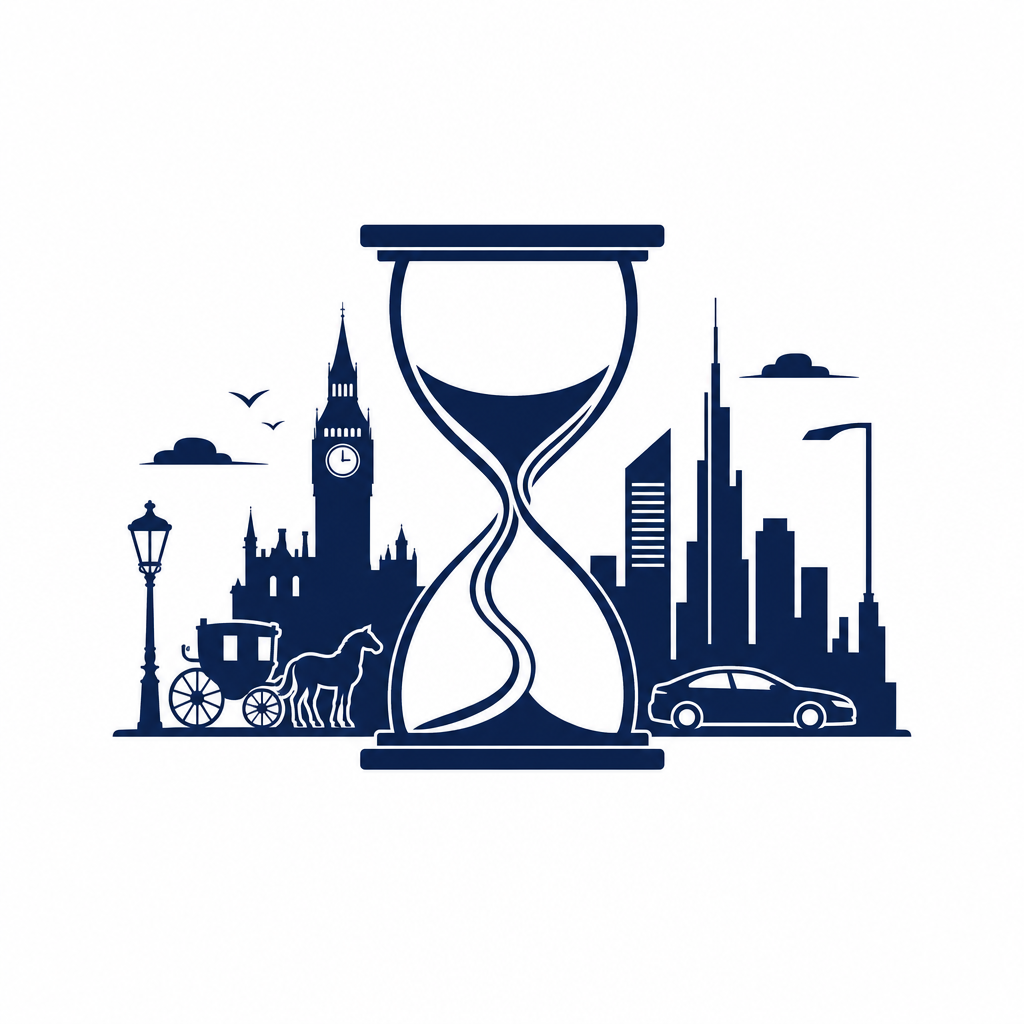
Dual-timeline narratives allow writers to explore complex themes through intertwined story arcs across different time periods. This article delves into the art of crafting these narratives, leveraging Plotlyn's innovative node-based structure to manage intricate relationships and pacing. Discover how to structure your dual-timeline story for maximum impact.
Understanding Dual-Timeline Narratives
Dual-timeline narratives are a compelling storytelling device that juxtaposes two chronological threads, often set in different eras, yet intertwined in meaning and impact. This structure allows a deeper exploration of themes by revealing how the past informs the present, leading to rich character arcs and emotional depth. The appeal of non-linear storytelling lies in its capacity to engage readers in piecing together connections themselves, fostering a sense of discovery.
By crafting parallel narratives, authors can present backstory in a manner that directly influences current dilemmas faced by characters. A poignant example can be found in The Nightingale by Kristin Hannah, where the experiences of two sisters during World War II resonate with their present-day descendants, creating a multi-layered exploration of courage, sacrifice, and resilience. Similarly, in the film The Time Traveler's Wife, the shifting timeframes mirror the complexities of love and loss, where the past and present irrevocably shape the characters' lives.
The emotional resonance created by dual timelines stems from this interplay; readers are invited to witness characters evolve through their experiences, understanding motivations that may otherwise remain obscured in a linear narrative. This enhances engagement and investment in the characters’ journeys, ultimately enriching the storytelling experience.
Theoretical Foundations of Parallel Narratives
The theory behind parallel narratives emphasizes the intricate weave of multiple timelines and their narrative arcs. Central to this concept is the need for coherence across time frames, allowing readers to navigate emotional and plot-driven connections seamlessly. When structured effectively, dual timelines can enhance depth, introducing themes of memory, regret, and redemption, while engaging readers at an emotional level.
However, maintaining continuity across these arcs poses significant challenges. Writers must ensure that the shifts between timelines do not confuse the reader but instead resonate with the broader narrative. One effective approach is to overlay character growth across both timelines, illuminating how past events inform present choices. This technique not only preserves narrative coherence but enriches character development, making readers more invested in their journeys.
Key concepts from storytelling theory, such as thematic resonance and emotional pacing, are particularly relevant here. Writers need to be mindful of synchronization; the emotional stakes in one timeline should echo in the other, creating a rhythm that resonates throughout the story. By understanding and leveraging these theoretical foundations, writers can craft compelling dual-timeline narratives that captivate and engage readers.
Planning Your Dual-Timeline Structure with Plotlyn
Using Plotlyn to outline a dual-timeline narrative can transform your storytelling process, providing a visual framework that enhances clarity and coherence. The node-based structure of Plotlyn allows you to organize your ideas in a flexible manner, connecting different threads and showing their relationships at a glance. Each node can represent a chapter, scene, or key moment, enabling you to see how past and present interplay.
Creating nested outlines within Plotlyn is especially advantageous. By breaking down each timeline into its own structure, you can develop distinct arcs while ensuring that both timelines are interlinked. For example, highlight thematic parallels or pivotal events that echo through time, reinforcing the narrative’s emotional depth.
As you outline, consider the pacing between both timelines. Plotlyn allows you to adjust the flow by visualizing the chronology and can help identify when to shift focus to maintain audience engagement. This methodical approach not only ensures that each timeline is well-structured but also facilitates the seamless weaving of multiple narrative threads, enhancing reader investment and the overall impact of your story.
Creating Compelling Characters Across Time
Crafting believable characters within a dual-timeline narrative requires a nuanced understanding of their emotional journeys and motivations. A successful character arc intricately weaves thematic threads across the timelines, fostering a connection that resonates with readers. When developing characters, consider how their experiences in one timeline inform their decisions and growth in another. This can create a rich tapestry of interconnected motivations that reflect the characters’ complexities.
Start by identifying key emotional themes that will transcend the timelines. For instance, if one character grapples with loss in the past, show how this shapes their resilience or vulnerability in the present. Use Plotlyn’s node-based framework to create character nodes that map out pivotal moments and emotional shifts in both timelines.
Next, ensure that these arcs are not static; allow characters to evolve through their challenges. Their journeys should mirror each other, revealing how past decisions echo through time. This layered development creates resonance, allowing readers to engage profoundly with the characters. By meticulously structuring these dual arcs, you foster a connection that transcends time itself, enriching the reader's experience.
Pacing Dual-Timeline Narratives for Impact
Pacing is crucial in dual-timeline narratives, especially when weaving together separate arcs without losing reader engagement. To maintain a compelling rhythm, consider alternating timelines in a strategic manner that keeps the reader intrigued. Short, punchy sections can heighten tension, while longer passages allow for deeper emotional exploration. A balanced approach ensures that both timelines receive equal attention, enriching the overall narrative experience.
Using Plotlyn’s node-based canvas, you can visualize the pacing dynamics between timelines. Each node represents a scene or significant plot point, enabling you to see at a glance how one timeline interacts with the other. This visualization aids in determining where to insert cliffhangers, revelations, or poignant moments, helping you avoid overwhelming the reader with excessive information at once.
Additionally, think about how to sustain curiosity across shifts. Ending a segment with an unanswered question or a moment of suspense can effectively propel the reader into the next timeline. As you craft each arc, ensure they mirror one another thematically, allowing your audience to draw parallels and deepen their emotional investment in both story threads. Concisely structured pacing creates a rich tapestry of narrative that resonates across time.
Revising and Finishing Your Dual-Timeline Manuscript
Revising a dual-timeline manuscript presents a unique opportunity to enhance clarity and emotional depth while ensuring that both timelines resonate with each other. Begin by reviewing the dual narrative arcs: are they distinct, yet interconnected? Use Plotlyn’s node-based canvases to visualize each timeline's flow, ensuring that transitions between past and present are seamless and purposeful.
Seek feedback from beta readers who can provide insights on the clarity of your narrative structure. Are the motives and emotions driving both timelines coherent? Address any areas where readers might feel disoriented, ensuring that shifts in time feel intentional rather than abrupt.
As you incorporate feedback, focus on refining dialogue and exposition. Each line should serve a larger narrative purpose, enhancing both timelines' thematic depth. Use Plotlyn's nested outlines to organize complex interactions between characters across timelines, ensuring that developments in one arc enrich the other.
For finalizing your manuscript, keep an eye on pacing. While the previous chapter emphasized maintaining tension, now shift your focus to emotional resonance. Ensure that key moments between the timelines occur at strategic points, creating powerful connections that leave a lasting impact. Balance the unfolding of both arcs to craft a cohesive, engaging dual-timeline story that resonates with readers long after the last page is turned.
Conclusions
Mastering dual-timeline narratives requires careful planning and structure, which Plotlyn's tools can facilitate. By weaving connections between past and present, authors can create a rich reading experience that captivates audiences. Embrace this storytelling technique to enhance your writing and engage readers on multiple levels.